What Size Cast Iron Skillet Is Best?
A 10 or 12 inch cast iron skillet suits most everyday cooking: choose 10 inches for 1 to 2 portions and easier handling, or 12 inches for 3 to 4 portions and more room to brown food.
On this page (10 sections)
- What size cast iron skillet is best for everyday meals?
- How many people does each skillet size serve?
- Is a 10 or 12 inch cast iron skillet better?
- How do diameter, cooking surface and side shape affect size?
- Will a cast iron skillet fit your burner and storage?
- Which skillet size works for common meals?
- Does cast iron skillet size change how the pan cooks?
- What should you check before buying a cast iron skillet?
- Which cookware pieces help with meals a skillet cannot handle?
- Which cast iron skillet size should you choose?
The best cast iron skillet size for most kitchens is 10 or 12 inches. A 10 inch skillet is easier to lift and suits 1 to 2 portions, while a 12 inch pan gives you room to cook 3 to 4 portions or brown ingredients without crowding.
Choose by the meals you make, the burner you use and how comfortable you are lifting a heavy pan. A larger skillet can handle more food, but it also takes more storage space and needs a burner that heats its base well.
What size cast iron skillet is best for everyday meals?
A 10 inch skillet is a practical everyday size for one or two people, while a 12 inch model works better for family portions and larger meals. Smaller pans suit compact burners and side dishes, but may feel cramped for a full meal.
| Skillet diameter | Useful for | Main trade-off |
|---|---|---|
| 8 in | One egg, a small side or a single portion | Limited room for larger meals |
| 10 in | Everyday cooking for 1 to 2 people | May crowd when cooking several portions |
| 12 in | Meals for about 3 to 4 people | Heavier and needs more burner space |
| 13 to 15 in | Large batches or cooking for a group | Harder to lift, store and heat evenly |
These are starting points, not strict serving limits. A pan’s cooking surface can be smaller than its rim measurement, and the food shape matters too.
If you’re unsure which measurement to compare, see how to measure a frying pan’s diameter. Measure across the top rim, then check the cooking surface and base size when comparing models.
How many people does each skillet size serve?
Use 10 inches for a small household and 12 inches for a typical family meal. The amount you can cook also depends on the recipe: a few thick steaks take more room than thin vegetables or eggs.
An 8 inch skillet can be enough for a fried egg, toasted spices or a small side. For a coated option in the same size, compare 8-inch nonstick frying pans.
It is less flexible as your only skillet because a larger piece of fish or several portions of vegetables may not fit comfortably.
A 10 inch pan can cook a couple of chicken thighs, a small batch of vegetables or breakfast for one or two. It is also easier to maneuver than a 12 inch skillet when you need to tilt the pan or pour off fat.
A 12 inch skillet gives more space for searing and browning. It’s a better starting point for cooking several portions at once, as long as your burner and storage space can handle it.
Is a 10 or 12 inch cast iron skillet better?
A 10 inch skillet is easier to handle, while a 12 inch skillet is more useful for larger portions. Pick the one that best matches your usual meal size and the burner you’ll use most often.
Choose 10 inches if you cook for one or two, have limited cabinet space, or want a pan that is simpler to lift and wash. It can also be a good second skillet when a larger pan feels cumbersome for small meals.
Choose 12 inches if you often cook for three or more, brown several ingredients together or want space to sear without packing food tightly. If you prefer a coated pan in this size, see 12-inch nonstick frying pans.
Check the diameter of your burner: a pan that greatly overhangs a small heat source can warm less evenly across its base.
Cast iron is heavy compared with many other skillet materials, and size adds to the lifting load. If handling matters, compare the pan’s weight and handle design before buying.
How do diameter, cooking surface and side shape affect size?
The rim diameter does not tell you exactly how much usable cooking space or capacity a skillet has. Interior floor width and sloped sides change how much food fits and how easily you can turn it.
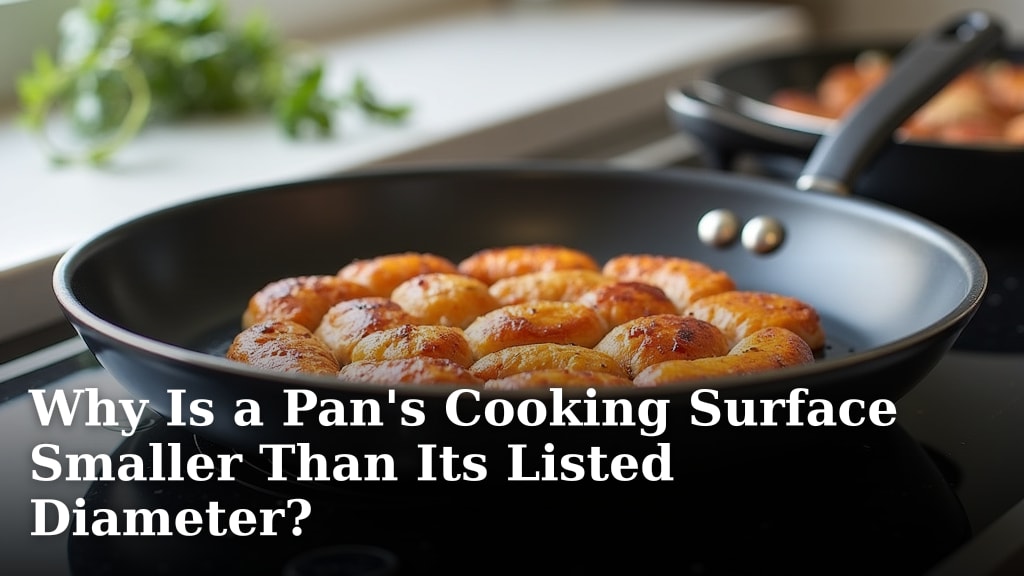
Cast iron skillets often have sloped sides that help with tossing and moving food, but the flat cooking area may be narrower than the top opening. That can limit how many items make direct contact with the hot surface at once.
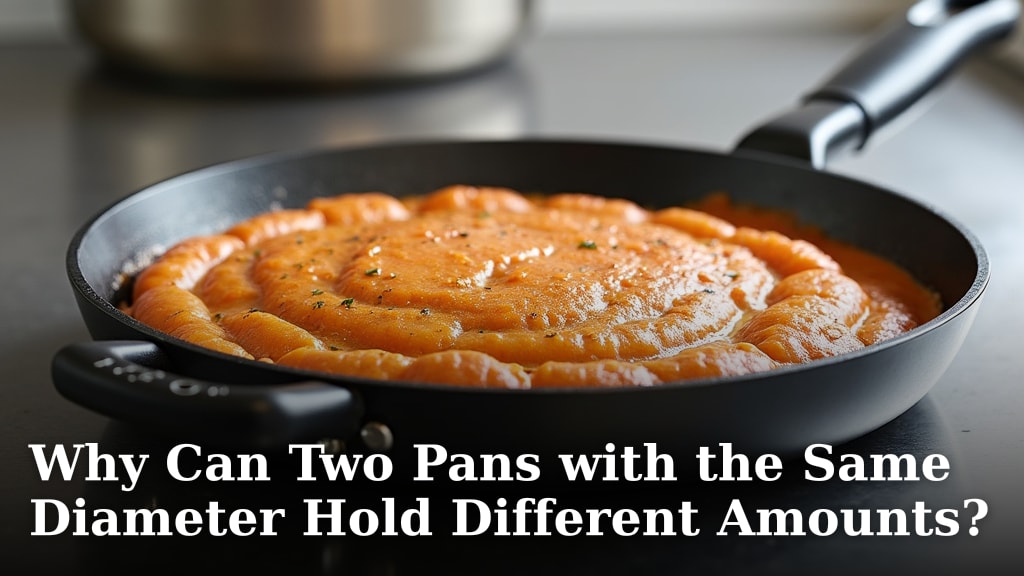
For a closer comparison, read why a pan’s cooking surface is smaller than its listed diameter. Two skillets with the same rim width can still differ in floor width, depth and shape, so see why pans with the same diameter hold different amounts.
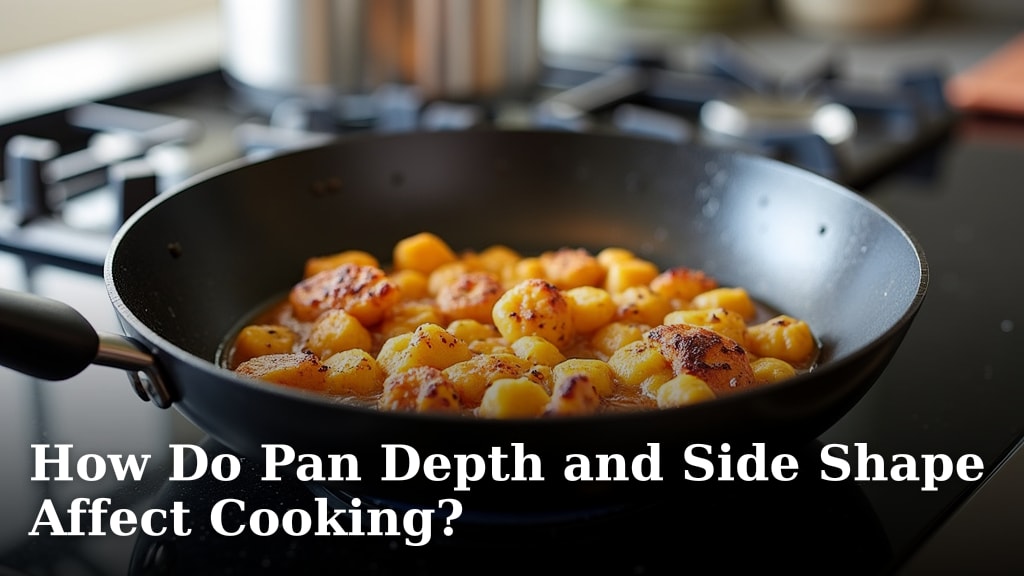
Depth and side angle also affect the way a pan handles liquid and food. Our guide to how pan depth and side shape affect cooking explains what those differences mean for sautéing, frying and simmering.
Will a cast iron skillet fit your burner and storage?
Choose a skillet whose base is close to the size of your main cooking zone and whose handle fits your storage space. Large skillets can extend past smaller burners, making it harder for heat to reach the entire base evenly.
Before choosing a 12 inch pan, measure the burner and the cabinet or drawer where you plan to store it. Include the handle in your storage measurement, and check whether you can lift the skillet safely with one hand or need to use both.
A large cast iron skillet can also take up space in an oven, especially if you store it there. If you cook on a small hob or have limited storage, a 10 inch skillet may get used more often.
Which skillet size works for common meals?
A 10 inch skillet handles compact meals, while a 12 inch skillet is more comfortable for larger batches. Let the food you cook most often guide the choice.
| Meal or task | Starting size |
|---|---|
| One egg or a small side | 8 in |
| Breakfast for one or two | 10 in |
| Two chicken breasts or a small vegetable batch | 10 in |
| Several burgers or chicken pieces | 12 in |
| Cornbread for a family meal | 10 or 12 in, depending on the recipe |
| Batch cooking or serving a group | 12 in or larger |
These are practical estimates, not promises about exact portions. Food dimensions and the size of the flat cooking surface affect how much fits in one layer.
If you regularly cook foods that need space to brown, size up when your burner supports it. If most of your meals are small, a larger pan may add weight without making daily cooking easier.
Does cast iron skillet size change how the pan cooks?
A larger skillet gives you more room to spread out food, but it can take longer to heat and is harder to move. A smaller one is easier to control for quick meals, but crowding can trap moisture and slow browning.
Crowded food releases steam into a tight space rather than allowing moisture to escape. That can make searing harder, so use batches when your ingredients do not fit in a single layer.
Cast iron retains heat once it is hot, but the pan still needs time to preheat. Follow the care and heating guidance for the specific skillet, and use a burner size that can warm its base without overheating the center.
A 12 inch skillet is not automatically the best choice for every cook. If it is too heavy or awkward to wash, a 10 inch pan that you reach for often may be the more useful size.
What should you check before buying a cast iron skillet?
Check weight, base width, handle length and cooking surface along with the stated diameter. These details help you judge whether a skillet will fit your cooking setup and feel manageable to use.
Look for a clear measurement across the rim and, when available, the flat interior cooking area. Compare the base with your burner and consider how much counter, oven and cabinet space the handle will occupy.
If you want to compare examples, our best Lodge cast iron skillet guide covers cast iron options. For a lighter pan suited to eggs and quick meals, see the best 10 inch nonstick frying pans.
A skillet is only one shape of frying pan. Read the difference between a skillet and a saute pan if you’re weighing a broad, sloped pan against one with higher sides, or learn when a griddle serves a different purpose from a skillet for flat cooking tasks.
Which cookware pieces help with meals a skillet cannot handle?
A cast iron skillet is useful for browning and frying, but other pan shapes work better for sauces, deep batches and oven roasts. For a larger covered vessel, see the largest Le Creuset Dutch oven.
For capacity guidance across Dutch ovens, see Dutch oven sizes.
Match the extra cookware to a real task you cook often.
Which cast iron skillet size should you choose?
Pick 10 inches for everyday meals for one or two people, and 12 inches for larger portions or more room to brown. Choose 8 inches for small tasks, and go larger only if your burner, storage and lifting comfort support it.
If you’re torn between 10 and 12 inches, start with the meals you cook most often. The 12 inch skillet offers more room, but the best size cast iron skillet is the one you can heat, lift and store comfortably.