What Does a Steamer Insert Add to a Cookware Set?
On this page (11 sections)
Quick answer: A steamer insert lets a compatible pot cook with circulating steam instead of direct contact with water or the burner.
It adds a useful method for vegetables, dumplings, seafood, eggs, and gentle reheating without requiring another full cooking vessel.
The insert sits above simmering water. Perforations allow vapor to rise around the food while excess moisture drains back into the pot. A double boiler insert uses an insert for gentle indirect heating.
Its value depends on four details: stable fit, water clearance, lid closure, and enough room for steam to circulate.
How a Steamer Insert Works
| Part | Job | What to check |
|---|---|---|
| Pot | Holds and heats the water | Enough depth below the insert |
| Insert | Supports food above the water | Stable fit and open perforations |
| Lid | Keeps steam around the food | Closes without pressing on food |
| Water | Produces steam | Stays below the food and does not boil dry |
Steam transfers heat efficiently, but it does not brown food. The result is moist and gentle rather than crisp or roasted.
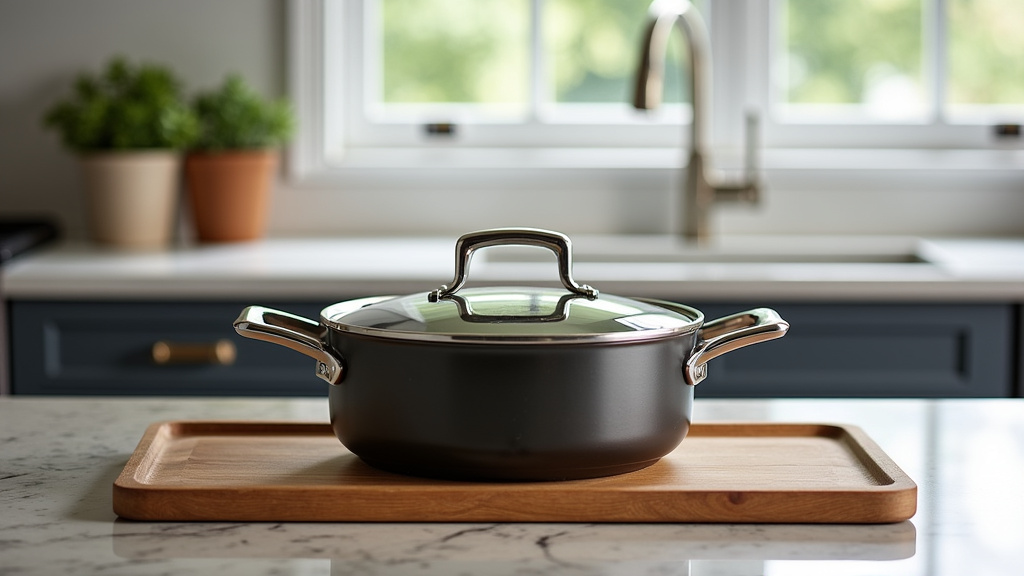
What Can You Steam?
Vegetables
cookware pieces and their uses can cook without being submerged. Cut pieces to comparable sizes and leave space between them.
Dumplings and buns
Arrange them so steam can pass around each piece. Follow the food’s instructions for liners, spacing, and timing to reduce sticking or blocked perforations.
Seafood and eggs
Fish, shellfish, and eggs can be steamed when a trusted recipe provides appropriate handling and doneness guidance. Food-safety temperatures still apply.
Gentle reheating
Steam can restore moisture to certain grains, breads, or dumplings. Use a heat-safe inner dish when the method requires one, and make sure it does not block circulation.
The insert’s real advantage: It expands a pot’s function while using the same burner footprint, lid, and storage stack.
How to Set Up a Steamer Insert
- Confirm compatibility. Use the matching pot or a fit approved by the manufacturer.
- Add water. Keep the intended level below the insert and food.
- Bring it to a controlled simmer. Violent boiling is unnecessary.
- Arrange food loosely. Leave openings for steam movement.
- Cover and begin timing. Follow the recipe’s doneness cues.
- Monitor long cooks. Add hot water safely if permitted and needed.
- Open away from your body. Escaping steam can burn immediately.
How Much Water Should You Add?
Use enough water to produce steam for the entire cooking time while keeping it below the insert. The correct amount depends on pot diameter, burner level, cook time, and insert clearance.
Too little water can boil dry and damage cookware. Too much may bubble into the food, turning steaming into boiling.
For a long cook, check the manufacturer’s directions before lifting the lid or adding water. If more is needed, avoid a sudden temperature change that could damage the pot.
Fit Matters More Than Capacity Labels
Two pots labeled with the same capacity can have different diameters, rim shapes, and lid seats. A loose insert can rock; a low insert can touch the water; a tall insert can stop the lid from closing. For a secure fit, follow this guide to matching a replacement lid to the pot.
Before buying a separate insert, verify:
- The compatible brand, line, model, or measured diameter
- The insert’s support points and stability
- Clearance above the expected water level
- Enough space for food under the lid
- Safe handles or tabs for removal
Steam warning: Tilt the lid so vapor escapes away from your face and hands. Use dry protection, and wait for the steam cloud to clear before reaching over the pot.
Steamer Insert vs. Collapsible Basket
A fitted insert is typically stable, roomy, and compatible with the pot’s lid. A collapsible basket can fit multiple pots and cookware measurements for cabinet storage.
The basket must still sit securely above the water and be made for the intended heat. Its center post, feet, or folding petals can reduce usable room.
Neither option is automatically better. Choose the design that fits your pot safely and holds the amount of food you actually steam.
Common Mistakes to Avoid
- Assuming a similar diameter guarantees a secure fit
- Letting water touch food unintentionally
- Packing food into a solid layer that blocks vapor
- Allowing the pot to boil dry
- Opening the lid toward your body
- Using an insert or inner dish that is not heat-safe
Is it worth having?
A steamer insert is valuable if you steam food regularly and it fits a pot you already use. It adds little value when fit is uncertain or the insert is too small for normal portions.
Care and Storage
Food can lodge in the perforations. Rinse the insert after it cools, clean each opening with a non-damaging tool, and dry thoroughly before nesting it in the pot.
Do not trap moisture between nested pieces. Follow the finish-specific cleaning guidance, especially for coated or dissimilar metals.
The Bottom Line
A steamer insert is a compact way to add moist-heat cooking to an existing pot. Stable fit, water clearance, lid closure, and careful steam handling matter more than the cookware set piece counts.
Frequently Asked Questions
Does a steamer insert touch the water?
Normally the food platform stays above the water. Follow the exact insert’s instructions for its intended setup.
Can any insert fit any pot?
No. Similar capacity does not guarantee the right diameter, support, clearance, or lid fit.
Do you need a lid?
A lid normally keeps vapor around the food and helps maintain cooking temperature.
Can a colander be used as a steamer?
Only if it is heat-safe, stable, correctly sized, and used according to a trusted method. A matching insert is more predictable.
Can you stack steamer inserts?
Only when the product is designed for stacking and the pot, lid, and burner can support the full setup safely.


