How Are Pieces Counted in a Cookware Set?
On this page (11 sections)
- What Usually Counts as a Piece?
- Why Piece Count Can Be Misleading
- How to Audit a Cookware Set
- Judge Coverage, Not Just Quantity
- What the Count Does Not Tell You
- Common Shopping Mistakes
- A Better Value Test
- Example: Comparing Two “10-Piece” Sets
- The Bottom Line
- Frequently Asked Questions
- Sources and Further Reading
Quick answer: Cookware piece counts normally include every separately packed item—not only pots and pans. A lid, steamer insert, utensil, or pan protector may each add one to the advertised total.
To compare sets fairly, count the cooking vessels first, then list lids, inserts, and extras separately.
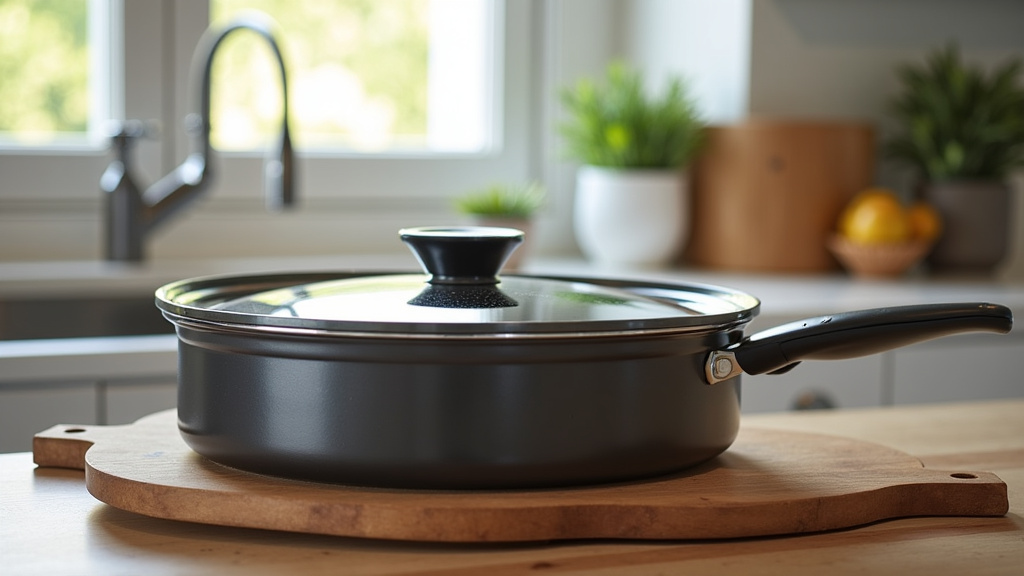
A cookware set piece counts could contain six pans and four lids. Another 10-piece package might contain five pans, three lids, and two utensils. The headline number is therefore an inventory count, not a measure of cooking capacity.
What Usually Counts as a Piece?
| Item type | Usually counted? | What to check |
|---|---|---|
| Pots and pans | Yes | Size, shape, and useful overlap |
| Lids | Usually | Whether one lid fits multiple vessels |
| Inserts | Often | Steamer or double-boiler function |
| Utensils and accessories | Sometimes | Quality and whether you need them |
Why Piece Count Can Be Misleading
The number does not tell you how many items touch a burner. It also does not reveal whether the sizes suit your meals or whether several pieces duplicate cookware you already own.
Two sets with the same count may differ in:
- Actual cooking vessels
- Range of useful sizes
- Number of shared versus dedicated lids
- Specialty inserts
- Low-value bundled tools
A set with fewer advertised pieces can be more practical if every vessel solves a regular cooking job.
Fast comparison: Write down only the pan bodies in each set. Compare those lists first. Add value for lids and inserts only after confirming that they fit the way you cook.
How to Audit a Cookware Set
- List every vessel. Record the skillet, saucepan, sauté pan, stockpot, Dutch oven, and any specialty cookware.
- Record useful dimensions. Note capacity, rim diameter, and flat cooking area where available.
- Count lids separately. Identify which vessels each lid fits.
- Separate inserts. Decide whether a steamer or double boiler solves a recurring need.
- Move utensils and extras to the bottom. Do not let inexpensive accessories drive an expensive cookware decision.
Judge Coverage, Not Just Quantity
Think about your regular meals. A skillet, medium saucepan, and larger lidded pot can cover a broad range of cooking. A second saucepan or sauté pan adds value when you often need two vessels simultaneously.
By contrast, two nearly identical small skillets may create unnecessary overlap. The same is true of a very large stockpot you cannot lift safely or a specialty pan you rarely use.
Useful questions to ask
- Can the pans handle my normal portions without crowding?
- Do their flat bases fit my burners or induction zones?
- Will the handles and lids fit my cabinet?
- Can I safely lift the largest pot when it is full?
- Are the materials and coatings appropriate for my habits?
Remember: One lid that fits two pans may be more useful than two dedicated lids—unless you often use those pans at the same time.
What the Count Does Not Tell You
Piece count says nothing about heat response, durability, weight, coating limits, induction compatibility, or oven safety. Those details depend on the construction and the exact product. For one common construction, learn what fully clad cookware means before comparing products.
It also does not describe usable cooking space. A 10-inch skillet with strongly flared sides may have a smaller flat floor than another pan carrying the same nominal size.
Common Shopping Mistakes
- Dividing price by the advertised count without checking what is counted
- Treating every lid as equivalent to a pan
- Assuming utensils are a meaningful cookware upgrade
- Ignoring duplicate sizes and shapes
- Buying for hypothetical meals instead of normal cooking
- Skipping cooktop, oven, utensil, and cleaning instructions
A Better Value Test
Estimate how often you will use each actual vessel. A smaller set used several times a week can offer better value than a larger package with pieces that remain in storage. Before buying, check the cookware storage measurements for your cabinet.
Then consider replacements. Standard, useful shapes are easier to replace or supplement later. A set does not need to solve every future task on day one.
Example: Comparing Two “10-Piece” Sets
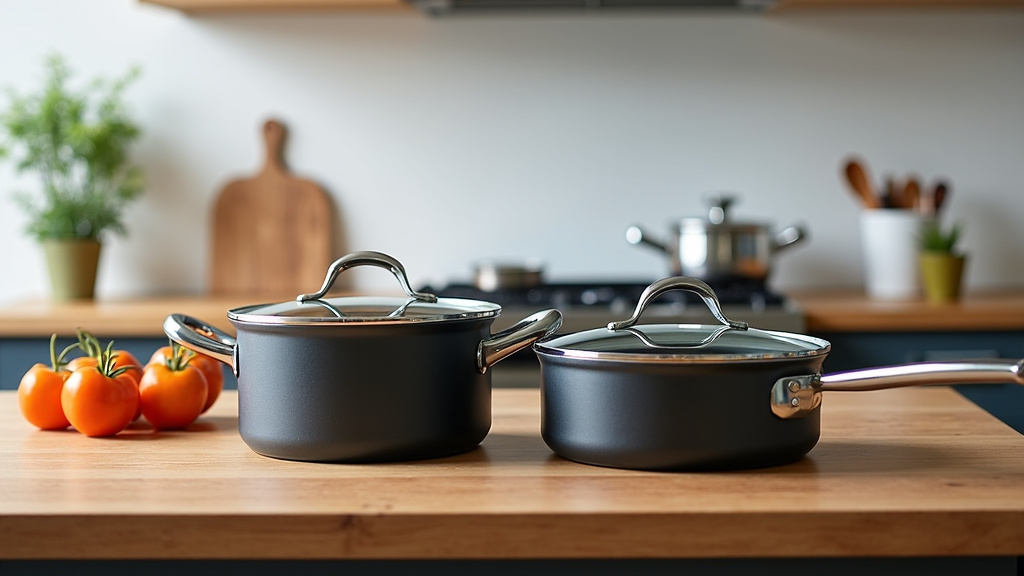
Imagine Set A includes two skillets, two saucepans, one stockpot, and five lids. Set B includes two skillets, one saucepan, one sauté pan, three lids, steamer insert, and two utensils. Both use the same headline count, yet they solve different problems.
Set A provides five burner-ready vessels and may suit a cook who prepares several pots at once. Set B has only four burner-ready vessels but adds a sauté pan and steamer. Neither is automatically better.
The useful comparison is:
- Which set covers your normal meal sizes?
- Which shapes create less duplication?
- Will shared lids conflict during simultaneous cooking?
- Will you actually use the steamer or bundled tools?
- Which construction and care requirements fit your routine?
This method turns a marketing number into a task-by-task kitchen inventory.
The Bottom Line
Cookware set counts usually include pots, pans, lids, inserts, and sometimes accessories. Count real cooking vessels first, judge whether their sizes fit your meals, and treat the headline number as a box inventory—not proof of value.
Frequently Asked Questions
Does a lid count as one piece?
In many sets, yes. Read the itemized contents because counting methods vary.
Does a steamer insert count?
It often does. Evaluate it as a functional accessory rather than another burner-ready pot.
Why do two 10-piece sets contain different numbers of pans?
Brands may include different combinations of lids, inserts, utensils, and accessories in the total.
Is a larger set always better value?
No. Value depends on useful vessels, construction, size, compatibility, and how often you will use each piece.
How many cookware pieces does a kitchen need?
There is no universal number. Choose enough vessels to cover your recurring meals and simultaneous cooking tasks without unnecessary overlap.


