Do Cookware Set Piece Counts Include Lids and Utensils?
On this page (11 sections)
- How Different Items Affect the Total
- Why Lids Are Counted Separately
- Why Utensils Need Separate Attention
- How to Compare Two Sets Fairly
- What Makes a Lid Valuable?
- Signs the Headline Count Is Hiding Weak Value
- Choose by Meals, Not Marketing
- A Simple Contents Worksheet
- The Bottom Line
- Frequently Asked Questions
- Sources and Further Reading
Quick answer: Yes. Many cookware sets count each lid and included utensil as an individual piece. The package total describes how many items are in the box—not how many pots and pans you can place on burners.
Check the itemized contents and separate vessels, lids, inserts, and tools before comparing two sets.
A cookware set piece counts may sound extensive, yet it could contain six vessels, four lids, and two utensils. A smaller set may offer the same number of useful pans with fewer extras.
How Different Items Affect the Total
| Item | How it is commonly treated | How to evaluate it |
|---|---|---|
| Pan or pot body | One piece | Primary cooking function |
| Separate lid | Usually one piece | Fit, heat limit, and frequency of use |
| Steamer or boiler insert | Often one piece | Useful specialty function |
| Spoon, turner, or protector | May be one piece each | Accessory, not cooking capacity |
Why Lids Are Counted Separately
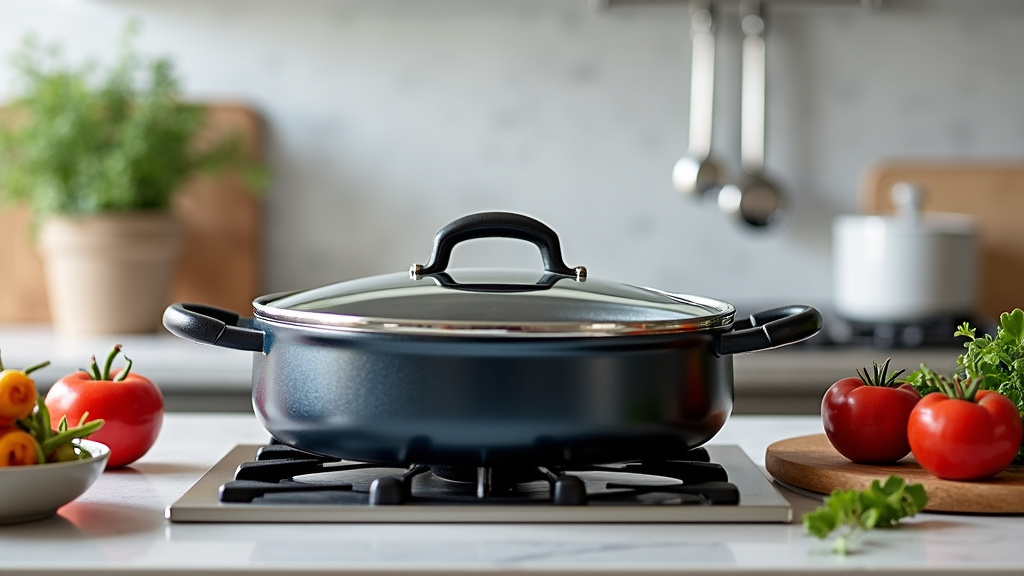
A lid is a separate physical item, so including it in an inventory count is understandable. A lid can also add real function by retaining moisture, controlling splatter, or enabling covered cooking.
However, a lid does not add another cooking vessel. It cannot compensate for a missing saucepan or skillet. One lid may also fit more than one pan, which can be efficient but may create a conflict when both pans are used together.
Useful distinction: Count lids when checking what is included, but count pan bodies when comparing how much cooking work a set can perform.
Why Utensils Need Separate Attention
Bundled spoons, turners, ladles, or spatulas can make a package convenient, especially for a first kitchen. They may also be included mainly to raise the headline piece count.
Ask whether the tools are compatible with the cookware surface and whether you already own suitable alternatives. An inexpensive utensil should not carry the same weight in your decision as a durable pan you will use every day.
How to Compare Two Sets Fairly
- Count burner-ready vessels. List every skillet, saucepan, sauté pan, and pot.
- Compare sizes and shapes. Decide whether they cover distinct jobs or repeat one another.
- List lids and their fit. Note shared lids and simultaneous-use conflicts.
- Evaluate inserts. A steamer can be useful even though it does not contact the burner.
- Value tools separately. Treat utensils and protectors as bonuses only if you need them.
What Makes a Lid Valuable?
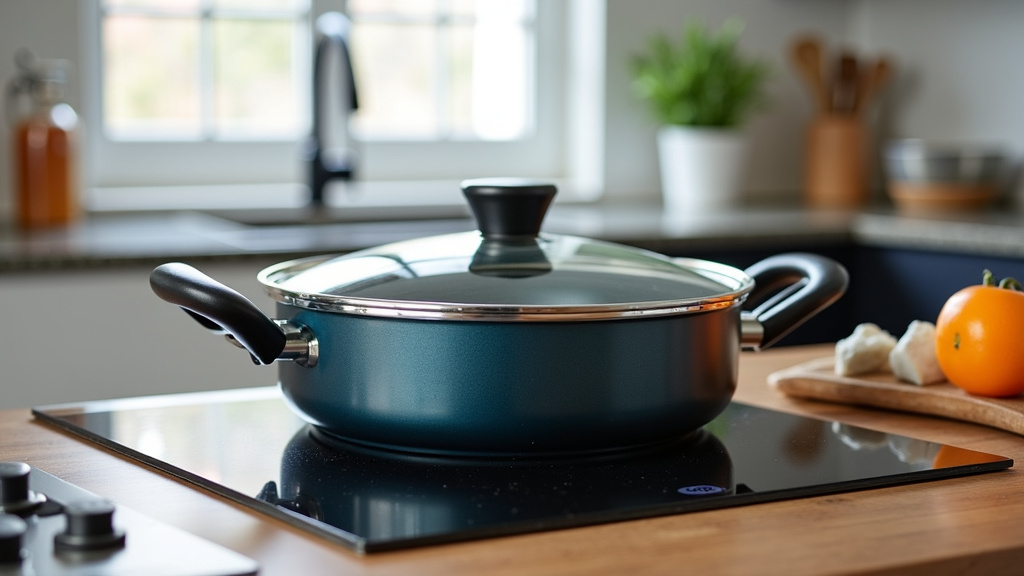
replacement lid should fit securely, have a comfortable handle or knob, and suit the temperatures and cooking methods you use. Glass gives visibility but adds weight and can have different heat limits from the pan body. Metal is often lighter and less vulnerable to impact, but it hides the food.
Confirm whether a lid is oven- or broiler-safe and whether steam vents suit your cooking. Never assume the body, handle, knob, and lid share one temperature rating.
Simultaneous-use check: A shared lid saves storage space, but it cannot cover two pans at once. Consider how often your meals require both vessels together.
Signs the Headline Count Is Hiding Weak Value
- Several inexpensive utensils dominate the advertised total
- The package contains few actual vessels
- Two pans have nearly identical usable sizes
- A specialty insert does not match your cooking habits
- Large pots exceed your burner, sink, cabinet, or lifting capacity
- Important compatibility or temperature details are unclear
Choose by Meals, Not Marketing
List five meals you prepare often and map each one to a vessel. This reveals whether the set includes the shapes you need. It also makes missing pieces or unnecessary duplicates easier to spot.
For many households, a skillet, medium saucepan, and larger lidded pot form a capable base. Other pieces should solve a repeated need rather than simply enlarge the count.
A Simple Contents Worksheet
Before buying, rewrite the package list under four headings:
- Everyday vessels: cookware you expect to use weekly
- Occasional vessels: large or specialty pieces for specific meals
- Functional accessories: lids and inserts that expand a vessel’s use
- Bonus items: utensils, protectors, racks, or storage pieces
Then mark which items you already own. A second turner may have almost no added value, while a compatible lid for an uncovered saucepan could be genuinely useful.
Finally, check timing. If two pans share one lid but are commonly used together, the space-saving arrangement may be inconvenient. If you almost never cover either pan, the same shared lid may be perfectly adequate.
The value of an accessory depends on what it allows you to do, not on the fact that it increases the box count. A double boiler insert is one example of a piece with a specific cooking use.
The Bottom Line
Cookware counts commonly include lids and utensils. Read the contents list, count pan bodies separately, and judge every extra by its actual function. The most useful set is not necessarily the one with the largest number on the box.
Frequently Asked Questions
Are lids always counted as pieces?
They often are, but brands can package and describe sets differently. Check the complete itemized list.
Can one lid fit several pans?
Yes, when the seat diameter and rim profiles match. Confirm the manufacturer’s compatibility information rather than relying on nominal size alone.
Do pan protectors count as pieces?
They may. Treat them as storage accessories, not cooking vessels.
Are bundled utensils safe for nonstick cookware?
Only if the cookware and utensil manufacturers approve the material and use. Follow the exact care instructions.
What is the best number for comparing sets?
There is no single perfect number. Start with the count of useful vessels, then compare sizes, lids, construction, compatibility, and extras.


