What Is a Double Boiler Insert Used for?
On this page (12 sections)
- How a Double Boiler Works
- What Is a Double Boiler Used For?
- How to Use a Double-Boiler Insert
- Should the Insert Touch the Water?
- Can You Make a Double Boiler with a Bowl?
- How to Prevent Chocolate from Seizing
- How to Choose the Right Insert
- Common Mistakes to Avoid
- Care and Storage
- The Bottom Line
- Frequently Asked Questions
- Sources and Further Reading
Quick answer: A double-boiler insert heats delicate food with steam and hot air from simmering water below instead of direct burner contact.
Use it for melting chocolate, cooking custards and curds, preparing sensitive sauces, or holding a mixture that scorches or separates easily.
Indirect heat slows temperature change and reduces intense hot spots. It gives you more control, but it does not make a mixture impossible to overheat.
Good results still depend on water level, stable fit, frequent stirring, and timely removal from heat.
How a Double Boiler Works
| Part | Function | Main concern |
|---|---|---|
| Lower pot | Holds gently simmering water | Must not boil dry |
| Upper insert | Holds the food above the water | Should fit securely without touching water |
| Steam | Transfers heat gradually | Can burn during lifting |
| Food | Warms away from direct flame | Still requires stirring and temperature control |
The water acts as a buffer between the burner and upper vessel. A gentle simmer produces enough steam; a rolling boil adds risk and can splash water into the food.
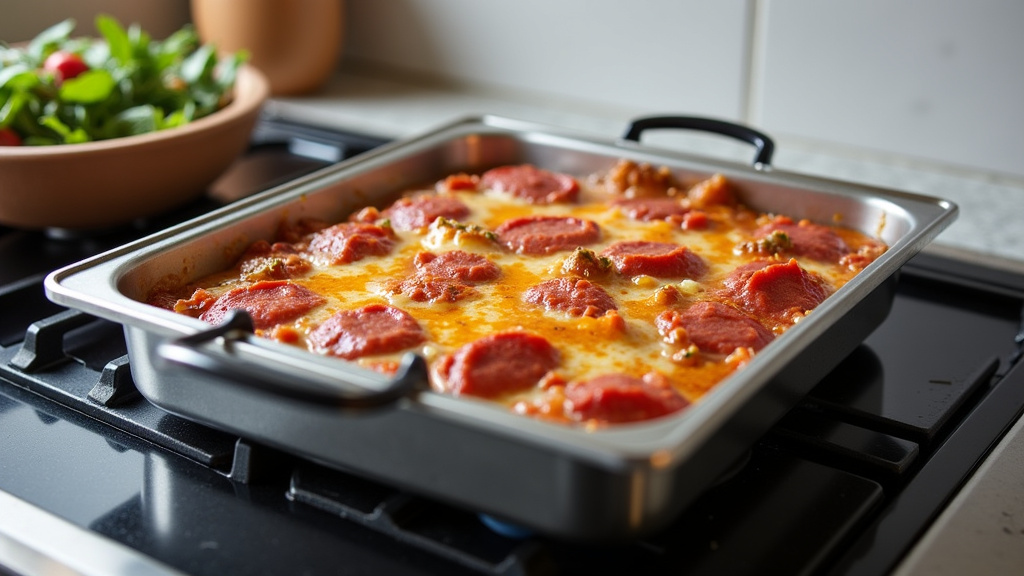
What Is a Double Boiler Used For?
Melting chocolate
Chocolate can scorch under direct heat and may seize if water enters it. Indirect heat makes the process slower and easier to monitor.
Keep the insert, tools, and chocolate dry. Stir regularly and remove the insert while a few small pieces remain; residual heat can finish melting them.
Custards, curds, and egg-based mixtures
Egg proteins can set quickly when overheated. Gentler heat helps reduce sudden curdling, but the mixture still needs constant or frequent movement and a trusted doneness cue.
Delicate sauces
Some butter, cheese, or egg sauces benefit from gradual heating. A double boiler can also hold a finished sauce briefly, but extended heat may still thicken, separate, or overcook it.
Warming and dissolving
The setup can warm ingredients or dissolve mixtures that tend to scorch. Follow the recipe because not every ingredient benefits from added humidity or slow heating.
What it really provides: A double boiler creates a larger margin for error. It slows heating; it does not automatically stop at a safe temperature.
How to Use a Double-Boiler Insert
- Check the fit. The insert should rest securely on the matching pot.
- Add a modest amount of water. The insert bottom should normally stay above it.
- Bring the water to a gentle simmer. Avoid a violent boil.
- Add the food to the dry insert. Keep water-sensitive ingredients away from condensation.
- Stir and monitor. Use the recipe’s temperature, texture, or visual cue.
- Remove before overshooting. The hot insert continues transferring heat.
- Lift away from your body. Steam can escape around the rim.
Should the Insert Touch the Water?
For a standard double-boiler method, the upper vessel usually remains above the water. Steam and hot air heat it indirectly.
If the water touches the insert, heat becomes more direct and can defeat the reason for using the setup. Follow the recipe and cookware instructions because specialized methods may differ.
Check the level again during long cooking. Too much water can contact the insert; too little can boil dry.
Can You Make a Double Boiler with a Bowl?
A heat-safe bowl can sit over a saucepan when it is stable, leaves adequate water clearance, and does not expose you to unsafe steam or tipping.
The bowl should fit securely without sliding into the pot. Its rim and shape must let you lift it safely. If a pot lid does not fit securely, see how to match a replacement lid. steamer insert fit and use is more predictable and often includes a handle.
Do not use ordinary glass unless the manufacturer specifically approves it for this heating method. Sudden temperature changes can break unsuitable materials.
How to Prevent Chocolate from Seizing
- Start with a completely dry insert and utensils.
- Use a gentle simmer rather than a hard boil.
- Keep steam and condensation away from the chocolate.
- Lift the insert carefully so droplets do not fall inside.
- Wipe the outside dry before pouring melted chocolate.
Overheating can also damage chocolate even without water. Stir often and remove it from heat before it becomes excessively hot.
Steam warning: The insert may feel gently heated while the escaping steam is hot enough to burn. Use dry protection and lift the upper vessel away from your face and hands.
How to Choose the Right Insert
- Compatibility: Verify the matching pot, product line, or exact dimensions.
- Clearance: Confirm room between the insert and water.
- Capacity: Leave space for stirring without splashing.
- Handle: Make sure it remains accessible and can be gripped safely.
- Rim: A stable rim reduces rocking and escaping steam.
- Material: Follow approved utensils and cleaning methods.
Common Mistakes to Avoid
- Letting the insert sit directly in boiling water
- Using a rolling boil when a simmer is enough
- Allowing condensation into chocolate
- Assuming indirect heat cannot overcook eggs or sauce
- Grabbing the hot insert without protection
- Leaving the setup unattended until the lower pot boils dry
Is an insert worth buying?
Buy one if you regularly prepare chocolate, custards, curds, or temperature-sensitive sauces. For occasional use, a secure heat-safe bowl and saucepan may be sufficient.
Care and Storage
After the insert cools, wash away sugar, dairy, egg, or sauce residue according to the manufacturer’s directions. Dry the exterior and rim thoroughly before nesting it with the lower pot.
Inspect the rim and handle periodically. Damage that affects the fit can make the insert rock or expose your hands to more steam.
The Bottom Line
A double boiler insert gives delicate mixtures gentler, more controllable heat. Keep it above the water, use a quiet simmer, stir and monitor, and handle the insert as carefully as any hot pan.
Frequently Asked Questions
Does the water need to boil?
A gentle simmer is normally sufficient. A hard boil creates excess steam, splashing, and less control.
Can food still overcook in a double boiler?
Yes. Indirect heat slows temperature change but does not cap the food’s temperature.
Why did melted chocolate seize?
Water or condensation is a common cause. Excessive heat can also damage texture.
Can a double boiler keep sauce warm?
It can hold some sauces briefly at gentle heat. Stir and monitor because the sauce may continue thickening or separating.
Is a double boiler the same as a bain-marie?
The terms overlap around indirect water-based heating, but a bain-marie can also refer to other water-bath setups. Follow the specific recipe and equipment directions.


