Bakeware: The Complete Buying Guide
The best bakeware sets match your recipes, oven space and care habits. Start with core pans, then choose materials, sizes and coatings that fit how you bake.
On this page (16 sections)
- Which bakeware pieces do you need first?
- How do bakeware materials change baking?
- Which bakeware coating is easiest to use?
- What size baking sheet should you buy?
- What size is a brownie pan?
- What size is a quarter sheet pan?
- Which loaf pan size suits bread and quick loaves?
- Which pans do cakes and muffins need?
- Which pans are best for pies and tarts?
- How should you choose a cooling rack?
- Can bakeware go in an air fryer or microwave?
- How should you care for bakeware sets?
- How should you build a bakeware set on a budget?
- How do you compare bakeware sets before buying?
- Explore bakeware by topic
- Which bakeware should you choose?
Bakeware sets are easiest to choose when you start with the pans you use most. A practical collection often begins with a baking sheet, cake pan, loaf pan, muffin pan and pie plate, then grows around your recipes.
Buying in that order keeps the cost tied to real use. You can bake cookies, cakes, quick bread, muffins and pies before you spend on specialty shapes that sit unused.
The right set also depends on material, pan size, coating, storage and cleaning. A baker who makes sandwich bread needs different pieces from someone who mostly makes brownies, muffins or sheet-pan dinners.
Material matters because it changes how a pan heats and how food releases. Size matters because a recipe written for one pan area will bake differently in a larger or smaller pan.
Coating affects daily effort at the sink. Some home bakers enjoy a nonstick surface for easy release, while others prefer uncoated metal with grease or parchment and simpler care.
Storage is a practical filter that many buyers skip at first. Measure the depth and width of the cabinet where pans will live, and note whether you stack them or store them upright.
Oven fit deserves the same check before you order. Measure the rack width and depth, then leave room for hands, mitts and hot air movement around the pan.
Who a set suits also depends on baking frequency. An occasional baker may do well with a few core pans, while a weekly baker may want matching sizes that make batching faster.
This guide covers the main bakeware types, common sizes, material trade-offs and care steps. It also links to the full Cookware Scope bakeware cluster so you can move from basic choices to a specific pan.
Use the sections that match your recipes first. If you bake bread, start with loaf pan capacity, and if you bake bars, start with brownie pan area.
That approach prevents a large set from dictating your routine. Your recipes should decide which shapes earn space in the oven and the cabinet.
Which bakeware pieces do you need first?
The best first bakeware set contains pieces that cover your regular recipes without filling your cabinets with duplicates. Choose core shapes first, then add specialty pans when a recipe pattern justifies them.
A basic collection can include:
- One rimmed baking sheet
- One half sheet pan or smaller quarter sheet pan
- One 8 or 9 in square pan
- Two round cake pans
- One loaf pan
- One muffin pan
- One pie plate
- One cooling rack
Baking sheets handle cookies, vegetables, roasted foods and many tray bakes. Cake, brownie and bar recipes usually depend on a specific pan area, so size matters more than simply owning a large flat pan.
A loaf pan suits quick bread, sandwich bread and meatloaf. Muffin pans divide batter into smaller portions, while pie plates and tart pans support recipes with different crust and filling needs.
For bite-size quiche, see mini muffin pan quiche tips.
If you want a broad comparison of flat pans, see our guide to best baking sheets and pans. For a smaller footprint, compare best quarter sheet pans.
How do bakeware materials change baking?
Bakeware materials change how quickly a pan heats, how it releases food and how it should be cleaned. Aluminized steel combines steel strength with aluminum heat conductivity, while glass, ceramic and silicone create different handling trade-offs.
Aluminum and aluminized steel
Aluminum heats quickly and spreads heat well. Aluminized steel combines aluminum with steel, giving the pan a metal structure with heat-conducting properties.
These pans suit bread, cakes, brownies and cookies when you want a metal pan that responds steadily in the oven. Darker finishes can brown food differently from lighter finishes, so follow the recipe and watch the first batch carefully.
Several USA Pan examples use aluminized steel. The best USA Pan bakeware guide compares more options from the same brand.
Glass
Glass bakeware lets you see the sides and bottom of a dish while it bakes. It holds heat after leaving the oven, which can help keep food warm but may also affect carryover cooking.
Use glass when a recipe calls for it, and avoid sudden temperature changes. Do not move hot glass directly onto a cold or wet surface unless the cookware instructions allow it.
For oven-safe glass options, see best oven safe glass cookware.
Ceramic
Ceramic bakeware can move from oven to table and suits casseroles, baked pasta, cobblers and some desserts. For food prep and serving, see ceramic cooking bowls.
Its weight and heat behavior differ from thin metal pans, so a recipe written for metal may need closer attention.
Check the maker's temperature and care instructions before using ceramic. Our guide to best ceramic cookware for baking covers suitable uses and trade-offs.
Silicone
Silicone bakeware is flexible and can release baked food with less effort. It needs support when filled because the soft sides can bend while you move the pan.
Place silicone on a firm baking sheet before filling it. This gives you a stable surface for carrying the pan to and from the oven.
Read how to use silicone bakeware in the oven for setup, support and temperature considerations. If you are baking with a countertop air fryer, compare best silicone bakeware for air fryers.
Which bakeware coating is easiest to use?
Nonstick coatings can make release and cleanup easier, but they still need gentle care. For non-toxic material and coating choices in mini pans, see mini muffin pan materials and coatings.
Use mild soap, warm water and a soft sponge, and avoid metal tools or abrasive scrubbers unless the care instructions say otherwise. For help choosing everyday cooking utensils, see our buying guide.
A coating does not remove the need to match the pan to the recipe. Grease or line the pan when the recipe calls for it, especially for sticky batters, high-sugar mixtures or recipes that need extra insurance during release.
Coated pans can be useful for beginners and for recipes that need clean edges. Uncoated metal gives you a different surface and may suit bakers who prefer parchment, grease or a traditional release method.
For a wider comparison of coated options, read best nonstick bakeware sets. If you want covered storage and transport, see best bakeware sets with lids.
What size baking sheet should you buy?
The best baking sheet size depends on your oven rack, recipe portions and storage space. Measure both the baking surface and outside rim, because a pan can fit the rack while still blocking airflow or touching the oven walls.
A half sheet pan is useful for cookies, roasted vegetables and family-size tray bakes. A quarter sheet pan takes less room and suits smaller batches, compact ovens and side dishes.
Before buying a large sheet, measure the rack width and depth. If you also use a cooling rack in the oven, check oven-safe cooling racks first.
Leave space around the pan so hot air can move, and check that the oven door closes without touching the rim.
For larger flat pans, compare best half sheet pans. Smaller kitchens may prefer a quarter sheet, while people who bake several trays at once may need more than one matching pan.
What size is a brownie pan?
An 8 x 8 in brownie pan is a common choice for a smaller square batch. A larger rectangular pan spreads batter thinner, so brownies may bake faster and finish thinner.
Thinner batter browns at the edges more quickly, while a deeper square batch keeps a softer centre for longer.
The USA Pan 1120BW-3-ABC-1 is an 8 in square cake and brownie pan made from aluminized steel. It measures 8 x 8 x 2.062 in and has easy-grip handles for moving it in and out of the oven.
Its shallow depth suits recipes written for a square pan. It works for brownies, blondies, square cakes and some bar cookies that need a compact area.
Aluminized steel gives it a structured metal body with heat conducting properties. That suits bakers who want a pan that holds its shape and responds steadily to heat.
The PFOA and BPA free nonstick coating supports release and easier cleanup. Wash it with hot water, mild soap and a gentle sponge, and keep metal tools out of it.
Hand washing is the care instruction. Dry it fully before storage so moisture does not sit on the metal or coating.
This size suits smaller households, half recipes and thicker bars. It is less suited to feeding a crowd, where a larger pan may bake the batch in one go.
Use the recipe's stated pan size when possible. If you substitute, compare surface area rather than guessing from the name alone.
Measure the pan against your oven rack before baking. An 8 in square pan usually fits with more clearance than a large rectangular pan, but rim and handles still need room.
Store it where the coating will not scrape against heavier bakeware. A separate shelf or soft divider can help preserve the surface.
Use the recipe's stated pan size when possible. If you substitute, compare the surface area rather than guessing from the name alone.
What size is a quarter sheet pan?
A quarter sheet pan is commonly around 9 x 13 in, though exact outside size varies by rim and manufacturer. Check the inner baking surface if a recipe depends on precise coverage.
That rim difference matters in a real oven. Two pans sold as the same size can leave different side gaps, which changes how hot air moves around food.
Quarter sheet pans suit small kitchens, toaster ovens that accept them and recipes that do not need a full half sheet. They can also separate savory and sweet tasks when you own several pans.
For daily use, the smaller footprint makes roasting vegetables for one or two people easier. It also helps with a side dish without heating a large tray.
Bakers who make cookies in small batches often prefer this size. You can bake a modest tray, cool it quickly and store it without taking up a full shelf.
Measure your oven rack before ordering. The pan needs room for insertion, removal and airflow, not only a few extra millimeters of clearance.
Also measure inside the oven at rack height. Some ovens taper at the back wall, so a pan may slide in at the front and still sit too close to the heat element.
Check the door as well. Pan and handles should clear the door when it closes, and you should be able to pull the rack out without lifting the pan over the rim.
Material and rim shape affect handling. A rimmed pan keeps juices and oil in place, while a flat pan may suit cookies and bakes that do not need containment.
Care depends on finish. Hand wash coated or metal pans with mild soap and a gentle sponge, and dry them fully before stacking.
Storage can decide whether the pan stays handy. If it fits the shelf you use most, you are more likely to reach for it daily.
Do not assume a quarter sheet pan fits every recipe. Large family trays, multiple loaves or full sheet-pan meals may still need a bigger pan.
Use the size that matches your oven and portions. A well fitting quarter sheet pan can make small batch baking simpler and faster.
Which loaf pan size suits bread and quick loaves?
A loaf pan should match the recipe's dough or batter amount. A 1.25 lb pan is smaller than a 1.5 lb pan, while a Pullman pan with a cover is designed for a different loaf shape.
The USA Pan 1145LF is a 1.25 lb aluminized steel loaf pan measuring 9 x 5 x 2.75 in. Its corrugated surface and silicone Americoat coating are intended to support release and airflow.
The USA Pan 1150LF is a 1.5 lb aluminized steel loaf pan measuring 10 x 5 x 3 in. Its larger capacity suits recipes written for a 1.5 lb loaf and larger quick breads.
A Pullman pan creates a different result because its cover shapes the rising dough. The USA Pan Pullman Loaf Pan measures 9 x 4 x 4 in and includes a cover.
Choose the pan by the recipe's stated capacity and shape. If the dough rises above the pan, the result can spread or bake unevenly, while too much empty space can change the loaf's final form.
Which pans do cakes and muffins need?
Cake recipes often depend on a specific diameter or depth. Two matching round cake pans help when a recipe divides batter between layers, while a square pan suits smaller cakes and brownies.
A muffin pan is useful for muffins, cupcakes, egg bites and other portioned bakes. Mini muffin pans make smaller portions and need shorter baking times than standard muffin pans.
Compare best mini muffin pans if you bake small portions or want a compact pan. For standard muffins and cupcakes, see best muffin pans for baking.
Loaf pans can also handle pound cake, quick bread and some savory bakes. Read best loaf pans for baking bread when bread is your main reason for expanding your bakeware.
For layered cakes, see best cake pans for baking. A springform pan has a removable side that can help release certain cakes, while a Bundt pan uses a shaped center tube for its distinctive form.
Compare best springform cake pans and best Bundt cake pans for those specific recipes.
Which pans are best for pies and tarts?
Pie plates suit pies with a bottom crust, filling and raised edge. Tart pans often have a removable bottom, which can make it easier to move a firm tart from the pan after cooling.
The choice between them depends on how you plan to serve the bake. A pie plate keeps the dish in one piece for slicing at the table, while a tart pan can help present a firm tart on a plate.
The pan's diameter and depth affect filling volume. Check the recipe before switching between a deep-dish pie plate, standard pie plate and tart pan.
Depth changes more than capacity. A deeper pan can hold more filling, but it may also slow the cooking of the base and change how the top browns.
For traditional pie recipes, compare best pie plates for baking. For removable bottoms, see best tart pans with removable bottom.
Material also affects the result in daily use. Metal pans conduct heat through the base, glass lets you watch the crust colour, and ceramic holds heat for serving.
Let baked pies and tarts cool according to the recipe before trying to remove them. Warm fillings are softer and more likely to break when moved.
Cooling time is not wasted time. It lets custard set, fruit filling thicken and a tart base firm up enough to support slicing.
If you use a removable bottom, support the tart from below while you lift it free. A wide spatula and a flat surface make the move safer than sliding it across a rim.
Wash the pan according to its material and coating instructions. Avoid soaking if the care guidance says not to, and dry the pan before storing it.
Choose the pan that matches the recipe's stated size first. That simple check prevents filling a pan beyond its intended volume.
How should you choose a cooling rack?
A cooling rack lets air move around the bottom of baked goods. Choose a rack that supports the pan or baked item without blocking your handling space.
Placement matters because cooling is part of the bake, not an afterthought. Steam trapped under a hot item can soften a crisp base or make a cake layer damp.
Cooling cookies directly on a hot sheet can keep bottoms cooking. Moving them to a rack helps the surface cool and lets steam escape.
For loaves and cakes, the rack should support the full base without pressing into sides. A rack that is too small can leave the centre warm while edges cool, which may affect texture.
Check rack width against your baking sheets and counter. For cakes or loaves, choose a size that supports the whole item without overhang.
Measure the space where you usually set hot pans down. You need room for rack, baked item and a landing spot for the empty pan.
Foot height also matters. Taller feet let more air pass underneath, while low feet may still work well on a heat safe surface.
Stability is worth checking before you need it. The rack should sit flat and not rock when you slide a pan or cake onto it.
See best cooling racks for baking when building a complete bakeware setup.
Match the rack to pans you already own. A rack that fits inside a rimmed sheet or under a loaf pan is easier to use for proofing, draining or cooling.
Care is usually simple, but follow product guidance for the exact material. Wash, rinse and dry the rack fully so it is ready for the next batch.
Place the rack on a surface that can handle heat. A wooden table, lined counter or tray can protect the surface under the feet.
Who needs a rack most is the baker who bakes often and likes clean edges and crisp bases. Even occasional bakers can benefit when a recipe calls for cooling before slicing or stacking.
Can bakeware go in an air fryer or microwave?
Bakeware can work in an air fryer or microwave only when the material, size and product instructions allow it. The cooking appliance must have enough clearance for air movement and safe handling.
Small silicone pieces can suit some air fryers because they flex around the basket, but the pan still needs to fit without blocking the airflow. Compare best silicone bakeware for air fryers before choosing a set for that appliance.
Microwave use depends on the exact material and coating. Metal bakeware should not go in a microwave unless the appliance and cookware instructions specifically permit it.
Read can you microwave silicone bakeware for material-specific guidance.
How should you care for bakeware sets?
Bakeware lasts longer when you match cleaning, tools and storage to the pan material. Hand wash coated and metal bakeware with warm water, mild soap and a gentle sponge unless the care instructions say otherwise.
Use parchment or light grease when a recipe needs extra release. Do not cut brownies or bars in the pan with a metal knife, and avoid stacking rough surfaces directly against nonstick coatings.
Dry metal pans before storage to reduce moisture exposure. Store pieces so rims do not scrape coated surfaces, and avoid placing heavy cookware on flexible silicone.
Let hot pans cool before washing them. Sudden temperature changes can stress some glass and ceramic bakeware, while soaking a coated metal pan can make cleanup easier.
How should you build a bakeware set on a budget?
Build the set in stages around recipes you already make. Buy one versatile pan before adding specialty shapes, and choose matching sizes only when they save time or make storage easier.
A sensible order is:
- Rimmed baking sheet
- Square cake and brownie pan
- Loaf pan
- Muffin pan
- Pie plate
- Cooling rack
- Second sheet pan or specialty cake pan
If bread is your main project, start with the loaf pan that matches your recipe capacity. If you make cookies and roasted vegetables, begin with one or two sheet pans instead.
A complete set is useful when the pieces match your oven, cabinet and recipes. A large set with unused shapes can take more space without improving your baking routine.
How do you compare bakeware sets before buying?
Compare bakeware sets by included shapes, material, dimensions, coating, care instructions and storage needs. A lower piece count can be more useful than a larger set if every pan has a clear purpose.
Check the exact size of each piece instead of relying on labels such as small, medium or large. Look for the baking surface and outside measurements when oven fit matters.
Review the care instructions before choosing a coating. A pan that needs hand washing may still be a good fit if you want its release properties, but it should match your routine.
Finally, compare the set with the recipes you make most. Bread bakers need loaf capacity, cake bakers need matching round pans, and brownie bakers need the right square or rectangular surface.
Explore bakeware by topic
- Best Brownie Pans for Baking
- Best Pizza Stones for Ovens
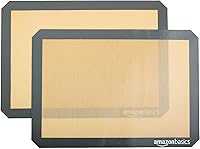
- Best Silicone Baking Mats
These links cover three common next steps after choosing core bakeware. Use them when brownies, pizza or lined baking are part of your regular routine.
Each guide focuses on a different task, so choose by the recipes you make most. That keeps new purchases tied to actual use rather than general interest.
Which bakeware should you choose?
Choose bakeware sets by the recipes you make most often, then confirm the material, size and care routine. Start with a rimmed sheet, square pan, loaf pan, muffin pan and pie plate if you want broad everyday coverage.
Choose aluminized steel when you want a structured metal pan for bread, cakes or brownies. Pick glass or ceramic when serving and heat retention matter, and use silicone when flexible release and appliance fit are the priority.
For a Pullman loaf, choose the 9 x 4 x 4 in USA Pan with cover. For a 1.25 lb loaf, choose the 9 x 5 x 2.75 in pan.
For a larger 1.5 lb loaf, choose the 10 x 5 x 3 in pan. For square brownies, choose the 8 in aluminized steel pan.
The best bakeware set is the one whose pieces fit your oven, recipes, storage space and cleaning habits. Add specialty pans only when they solve a real baking need.
Frequently asked questions
What should be included in a bakeware set?
A useful bakeware set usually includes at least one baking sheet, a round or square cake pan, a loaf pan and a muffin pan. Add pie, tart, brownie or roasting pieces when your recipes need them.
Choose the actual shapes and sizes you use instead of paying for pieces that will stay stored.
What material is best for bakeware?
The best bakeware material depends on the result you want and how you care for it. Aluminum and aluminized steel heat well, glass lets you see browning and holds heat, ceramic suits serving and steady baking, and silicone offers flexible release.
Match the material to the recipe and temperature instructions.
What size is a brownie pan?
A brownie pan is often square or rectangular, but the right size depends on the recipe. An 8 x 8 in pan makes a smaller, thicker batch than a 9 x 13 in pan.
Check the recipe before substituting because changing the pan area changes baking depth and time.
What size is a quarter sheet pan?
A quarter sheet pan is commonly about 9 x 13 in, but outside dimensions can vary by rim and brand. Measure the baking surface and the outside of the pan before buying.
Confirm that it fits your oven rack, storage space and the recipes you plan to make.
Can bakeware sets go in the dishwasher?
Some bakeware is dishwasher safe, but many coated, aluminized steel, ceramic and silicone pieces last longer with gentle hand washing. Follow the care instructions for the exact pan.
Avoid harsh scrubbers on nonstick surfaces, and dry metal pans fully before storing them.