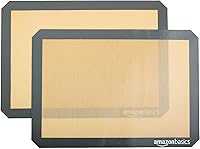
Can You Microwave Silicone Bakeware?
Yes, you can microwave silicone bakeware when the manufacturer approves microwave use and the mold is within its heat limits. Check the care instructions, avoid direct contact with heating elements, and handle the hot silicone with care.
On this page (8 sections)
- Is silicone bakeware microwave safe?
- How do you check silicone bakeware for microwave use?
- Can silicone bakeware go in a microwave with food?
- Which bakeware helps with microwave cooking?
- How should you use silicone bakeware in a microwave?
- What should you avoid when microwaving silicone bakeware?
- How do you clean silicone bakeware after microwaving?
- What is the safest answer for silicone bakeware for microwave use?
Yes, you can microwave silicone bakeware when the manufacturer says it is microwave safe and you follow the stated heat limits. Silicone bakeware for microwave use should be free of metal, used with suitable foods, and handled carefully because the mold and its contents can become very hot.
Microwave suitability is not determined by the word “silicone” alone. Check the care label, packaging, or instructions for microwave approval, maximum temperature, heating limits, and any warnings about grease, sugar, or direct contact with hot surfaces.
Is silicone bakeware microwave safe?
Most silicone bakeware made for food use can be microwave safe, but you must confirm the specific mold. Silicone can tolerate microwave heating, yet the finished bakeware may include other materials, coatings, handles, lids, or supports that change how it should be used.
Look for clear wording such as “microwave safe” in the manufacturer's instructions. If the instructions only mention oven use, don't assume that the same mold is approved for microwave cooking.
The U.S. Food and Drug Administration explains that food-contact substances must meet safety requirements for their intended use.
That does not replace the instructions for your particular mold, so check the product's care guidance before heating food.
A silicone mold may heat unevenly because microwaves heat the food rather than the mold. Dense foods, thick batters, and mixtures with sugar or fat can become much hotter than the silicone around them.
How do you check silicone bakeware for microwave use?
Read the care instructions before the first microwave use. Confirm these points:
- The mold is marked or described as microwave safe.
- No metal trim, wire, foil, or metal decoration is present.
- The maximum heating temperature and time suit your recipe.
- Any lid, cover, handle, or insert is also approved for microwave use.
- The mold is in good condition, without cuts, cracks, or sticky deterioration.
A “microwave safe” label does not mean that every food, heating time, or cooking method is suitable. A container can be approved for reheating while still needing limits for high-fat foods, long heating cycles, or browning functions.
If you are comparing options, bakeware sets can help you see which shapes and materials suit your cooking routine. For oven-specific use, read how to use silicone bakeware in the oven because microwave and oven handling are not identical.
Can silicone bakeware go in a microwave with food?
Yes, if the mold is approved and the food is suitable for microwave heating. Place the silicone on a flat, microwave-safe plate or tray when the mold is flexible or difficult to carry.
A support plate helps you move the filled mold without bending it. It also catches spills if the batter or liquid shifts during heating.
Leave room for food to expand. Do not seal a lid tightly unless its instructions allow sealed microwave heating, and vent any cover as directed.
Use short heating intervals and check the center of the food between cycles. Stir or rotate the food when appropriate, since microwaves can create hot and cold spots.
Can you microwave silicone bakeware for cakes and muffins?
You can microwave silicone bakeware for cakes and muffins when the mold and recipe are intended for microwave use. Fill the mold only as directed, because batter can rise quickly and spill over flexible sides.
Choose a stable surface beneath the mold. A silicone cup or loaf mold may be easy to lift when empty but awkward when filled with wet batter.
Let the food rest after heating. The center may continue cooking while the mold remains hot, and the food may be softer than an oven-baked version.
Which bakeware helps with microwave cooking?
These products are not silicone, so they are not substitutes for microwave-safe silicone molds. They are useful for readers who want bakeware for conventional oven cooking and need to keep microwave and oven equipment separate.
The USA Pan Pullman pan is made from aluminized steel, measures 9 x 4 x 4 inches, and includes a cover. Its nonstick silicone coating is designed for quick release, but the steel pan is oven-safe bakeware rather than a microwave container.
Choose this pan when you want a covered loaf shape and oven baking. Do not place it in a microwave because its steel construction is not suitable for microwave heating.
The GoodCook set includes 3 carbon steel baking sheets in small 13 x 9, medium 15 x 10, and large 17 x 11 sizes. The sheets have a nonstick coating and are designed for oven baking and baking-sheet tasks.
Choose this set when you need several oven sheet sizes. Its steel construction means it should stay out of the microwave, even though the nonstick coating is intended to help with food release.
The USA Pan standard bread loaf pan measures 8.5 x 4.5 x 2.75 inches and holds 1 pound. It uses aluminized steel with a silicone nonstick coating for oven baking.
Choose this pan for a smaller conventional-oven loaf. The pan's silicone coating does not make the steel body microwave safe.
How should you use silicone bakeware in a microwave?
Support the mold, use short heating cycles, and follow the manufacturer's instructions. These steps reduce spills, uneven heating, and burns.
- Put flexible bakeware on a flat microwave-safe plate before filling it.
- Keep the mold away from the microwave walls and ceiling.
- Remove metal clips, foil, and decorations before heating.
- Leave space for rising, bubbling, or steam.
- Use a towel or oven mitt when removing the mold.
- Let the mold cool before washing it.
- Stop using it if you see cuts, tears, severe staining, or a changed surface.
Never use silicone bakeware in a microwave's grill or convection setting unless the manufacturer specifically approves that mode. A microwave-convection appliance can use a heating element, which creates different risks from microwave-only heating.
If the mold has a lid, check whether the lid is meant for heating or only for storage. A storage lid may warp, trap steam, or create pressure if sealed during heating.
What should you avoid when microwaving silicone bakeware?
Avoid unapproved molds, sealed containers, excessive heating, and direct contact with heating elements. These problems can damage the bakeware or make the food unsafe to handle.
Don't use a mold with a metal frame, wire reinforcement, foil decoration, or metal fastener. If you cannot confirm what an attached part is made from, use another container.
Avoid heating empty silicone bakeware for long periods. Microwaves heat differently depending on the contents, and an empty mold does not behave like food-filled bakeware.
Be careful with foods that contain a lot of oil, sugar, or fat. They can become much hotter than water-based foods, so follow the recipe and the mold's instructions rather than extending the heating time automatically.
A silicone mold can stay flexible while its contents are hot. Use a plate beneath it and keep your hands away from steam when lifting the food.
How do you clean silicone bakeware after microwaving?
Let the mold cool, then wash it according to the care instructions. Mild dish soap and a soft sponge are suitable for many silicone molds, but follow the manufacturer's cleaning guidance.
Remove food residue before it hardens. Greasy foods may leave an odor or film, so rinse the mold promptly and dry it fully before storing.
Do not use abrasive pads or sharp tools that can cut the silicone. Inspect folds, corners, and handles because small tears can grow when the mold is filled.
Store silicone bakeware flat when possible, or keep it in a position that does not create permanent folds. Avoid placing heavy cookware on top of it.
What is the safest answer for silicone bakeware for microwave use?
Use silicone bakeware in a microwave only when its instructions clearly approve microwave heating. Confirm that every attached part is suitable, support flexible molds with a plate, heat in short intervals, and handle the hot food and mold carefully.
Choose a silicone mold when you want flexible release and the manufacturer gives clear microwave guidance. Choose the steel USA Pan or GoodCook products above when you need conventional oven bakeware, because their steel construction is not appropriate for microwave heating.
For more silicone options, compare a best silicone bakeware set or best Trudeau silicone bakeware. If your recipe uses a different shape, review can a cooling rack go in the oven, mini muffin pan non toxic materials, mini quiche in a mini muffin pan, or Bundt pan sizes before choosing the next piece.
Frequently asked questions
Can you microwave silicone bakeware?
Yes, if the manufacturer identifies the silicone bakeware as microwave safe and you stay within its stated limits. Use the mold only for suitable foods, avoid metal parts or accessories, and follow instructions for heating time, temperature, cleaning, and handling.
Does silicone melt in the microwave?
Food-grade silicone bakeware does not normally melt during ordinary microwave heating, but it can be damaged by excessive heat, direct contact with a heating element, or use beyond the manufacturer's limits. Check the mold's instructions before using it.
Can silicone bakeware go from the freezer to the microwave?
Only do this when the manufacturer allows that temperature change. Sudden changes can stress some bakeware, and frozen food may heat unevenly.
Follow the care instructions, loosen or vent food as directed, and use oven mitts when removing the mold.
Is silicone safer than plastic in the microwave?
Silicone and plastic are different materials, so compare the specific product's microwave instructions rather than assuming one is always safer. Use only food-contact bakeware that is identified for microwave heating, and avoid damaged, stained, or deteriorating molds.