How to Choose Mini Muffin Pan Materials and Coatings
Choose a mini muffin pan by checking its base material, coating type, and exact safety disclosures. A non toxic mini muffin pan should have clear material and coating information, not just a broad safety label.
On this page (13 sections)
- What should you check in a mini muffin pan?
- Which materials are used in mini muffin pans?
- How do coating disclosures help you choose a non toxic mini muffin pan?
- Is PTFE-free the same as non toxic?
- What does PFOA-free or BPA-free tell you?
- Does the pan material change baking performance?
- How should you compare nonstick coatings?
- How do you choose between silicone and nonstick metal?
- How should you care for a coated mini muffin pan?
- How can you compare a pan's material disclosure?
- What size and shape details matter for mini muffins?
- What is the best way to avoid blanket safety claims?
- Final decision: how to choose a mini muffin pan non toxic option
A non toxic mini muffin pan is easiest to choose when you compare the pan material, the coating, and the exact disclosure language. A broad phrase such as "safe" tells you less than a clear statement identifying the coating and any substances the brand says it excludes.
Mini muffin pans come in coated metal, silicone, and disposable formats. Each choice changes heat response, release, cleanup, storage, and how closely you can inspect the material information.
Coated metal tends to hold a firm shape and carry from counter to oven with less flex. That steadiness helps when you fill small cavities and want each portion to bake under similar conditions.
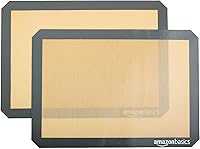
Silicone trades that firmness for flexibility at the cavity level. You can often push a baked mini muffin out with less effort, but you may need a tray underneath while the batter is still liquid.
Disposable pans solve a different problem. They suit parties or transport where washing a reusable pan is not the priority, and they ask you to accept limited reuse.
This guide focuses on how to compare those details without making a blanket safety claim. It treats material, coating, and care as separate points to check for every pan.
That separation matters in daily use. A pan can have a clear base material and still need careful cleaning, or a helpful coating and still need support during baking.
For a wider look at pan construction, read How Do Cookware Materials Change Cooking Performance?.
What should you check in a mini muffin pan?
Check the base material first, then the coating and care instructions. The material affects heat response, while the coating affects release and the tools and cleaners you can use.
A useful comparison has four parts:
- Identify the base material.
- Identify the coating, if there is one.
- Look for specific safety disclosures.
- Match the care instructions to your routine.
A pan made from steel with a coating needs a different care plan from a silicone pan. A disposable pan has a different use pattern again, since it is generally chosen for serving or limited-use baking rather than long-term storage.
The phrase “non toxic” is not a complete material description. It does not tell you whether the pan is silicone, carbon steel, aluminized steel, or another material, and it does not identify the coating chemistry.
Which materials are used in mini muffin pans?
The main options are coated metal, silicone, and disposable materials. Choose based on the balance you want between heat response, easy release, durability, and clear product disclosure.
Coated metal
Coated metal pans usually combine a steel or aluminum-based body with a nonstick surface. Metal gives the pan a firm shape and can transfer heat directly to the batter, while the coating is intended to help baked mini muffins release.
The key question is not simply whether the pan is nonstick. Check whether the brand identifies the coating and gives specific exclusions or composition details.
Coated metal also needs careful handling. Follow the stated care directions, use tools that won't damage the surface, and avoid assuming that a scratch-resistant claim means the pan is scratch-proof.
Silicone
Silicone pans are flexible and often make it easier to push baked goods out of individual cavities. That flexibility can also make a full pan harder to carry, especially when the batter is liquid.
Look for clear material wording and oven-use instructions. A silicone label alone does not answer every question about temperature limits, reinforcement, or care.
You can read our guide on How to Use Silicone Bakeware in the Oven before choosing a flexible pan. It covers the practical side of supporting and handling silicone bakeware.
Disposable pans
Disposable mini muffin pans can suit parties, transport, or situations where you don't want to wash a pan afterward. Their trade-off is that they are less useful for a long-term baking routine.
Compare the material disclosure and intended use before baking. A disposable format may also need extra support while moving from the counter to the oven.
For that use case, see Best Disposable Mini Muffin Pans. It helps you compare the disposable option with reusable formats.
How do coating disclosures help you choose a non toxic mini muffin pan?
Specific coating disclosures are more useful than a general safety slogan. Look for named information about substances the brand says are present or absent, then compare that wording across pans.
For example, the product information for the USA Pan Bakeware Pullman Loaf Pan identifies a nonstick Americoat coating as a silicone coating and describes it as PTFE, PFOA, and BPA free. That is more useful than a vague claim that the surface is simply “safe.”
This is a loaf pan rather than a mini muffin pan, so it does not replace a pan with the cavity size you need. It is a useful reference for reading coating language because the material and coating are named together.
The U.S. Food and Drug Administration explains how food-contact substances are evaluated and regulated in the United States.
You can review its food contact substances information for background, while still checking the specific product disclosures for the pan you plan to buy.
Is PTFE-free the same as non toxic?
No. PTFE-free answers one coating question, not every safety question.
It does not identify the base material, explain how the pan should be used, or prove that every other material detail is suitable for your needs.
The GoodCook Everyday Nonstick Baking Sheet Set identifies a carbon steel construction and a scratch-resistant nonstick coating. Its product data also identifies the material as PTFE free.
This is a 3-piece baking sheet set, not a mini muffin pan. It may still help you understand how to separate a material fact from a coating disclosure when you compare bakeware.
PTFE-free also does not mean that a coated pan can be treated like bare metal. Use the care directions for the specific pan, and avoid turning a coating label into a promise about every aspect of performance.
What does PFOA-free or BPA-free tell you?
PFOA-free and BPA-free are specific exclusions, not complete descriptions of a pan. They can add useful detail, but you still need to identify the pan body and the rest of the coating information.
The USA Pan Nonstick Standard Bread Loaf Pan has aluminized steel construction and a proprietary silicone nonstick coating. Its product information describes the coating as PTFE, PFOA, and BPA free.
Like the Pullman pan, this is a loaf pan, not a mini muffin pan. Its value in this guide is showing how a more complete disclosure can separate base material, coating type, and exclusions.
When a mini muffin pan uses only a broad phrase such as “non toxic,” treat that as a reason to look for more detail. If the material and coating remain unclear, you cannot compare it fairly with a pan that names both.
Does the pan material change baking performance?
Yes. Metal generally gives a firmer pan and a direct heat path, while silicone gives flexibility and easy removal.
The actual result also depends on the pan's thickness, cavity shape, oven, recipe, and how full each cavity is.
Mini muffins have small cavities, so small differences in fill level can affect browning and bake time. Use the recipe's timing as a starting point and check the centers before removing the pan.
A rigid metal pan is easier to carry from the counter to the oven. Silicone may need a flat tray underneath, especially when the cavities contain liquid batter.
This is why material choice should not be separated from daily use. Our guide to bakeware sets explains how different pan formats can fit different baking routines.
How should you compare nonstick coatings?
Compare the coating name, stated exclusions, care instructions, and the release goal. A coating can help reduce sticking, but it still needs the right tools and cleaning method.
Use this checklist:
- Is the coating identified by name or type?
- Does the brand state whether it is PTFE free?
- Does it state whether it is PFOA free or BPA free?
- Are the base and coating described separately?
- Does the care guidance call for hand washing?
- Are abrasive cleaners or metal tools discouraged?
- Does the pan have a shape that makes release easier?
Do not assume that every nonstick coating uses the same chemistry. Do not assume that every “free from” phrase covers materials that the brand does not mention.
For a focused comparison of coated cavity pans, see Best Nonstick Mini Muffin Pans. The related phrase non toxic mini muffin pans is useful when you want to compare specific nonstick disclosures rather than a general label.
How do you choose between silicone and nonstick metal?
Choose silicone for flexibility and easy cavity release, or choose nonstick metal for a firm shape and direct heat response. Your handling and storage habits should decide the tie.
Silicone can be useful when you often make soft mini muffins that are difficult to lift from rigid cavities. It can be less convenient if you dislike supporting a flexible pan while carrying filled batter.
Nonstick metal can be easier to move and store. It may suit you if you want a pan that keeps its shape and you are willing to follow coating-care rules.
Neither option should be judged from the material name alone. Compare the exact disclosures, oven directions, and cleaning instructions before deciding.
For more silicone-specific comparisons, read Best Silicone Mini Muffin Pans. That guide is the closest next step if easy release is your main reason for considering silicone.
How should you care for a coated mini muffin pan?
Care for a coated mini muffin pan by using gentle tools, mild cleaning, and the stated washing method. Avoid treating a coated surface like bare steel.
Before the first bake, check the pan's care instructions. If hand washing is recommended, use warm water, mild soap, and a soft sponge or gentle brush.
Use a silicone, wood, or other coating-friendly utensil when loosening stuck edges. Metal tools can mark some surfaces, even when a pan is described as scratch resistant.
Let the pan cool before washing if the care instructions call for it. Sudden temperature changes can make handling harder and may shorten the life of some bakeware.
Avoid stacking pans in a way that rubs one coated surface against another. If storage space is tight, place a soft layer between pans where needed.
How can you compare a pan's material disclosure?
Start with a simple three-line note for every pan:
- Base material: steel, aluminum-based metal, silicone, or another stated material.
- Surface: uncoated, nonstick, silicone, or another named coating.
- Specific disclosures: PTFE-free, PFOA-free, BPA-free, or other exact wording.
Then add the practical details that affect your routine. Note whether the pan is rigid or flexible, whether hand washing is required, and whether the cavities are easy to reach with your usual tools.
This method keeps “material,” “coating,” and “care” separate. It also makes it easier to spot missing information without turning that gap into a safety claim.
If a pan does not clearly identify its materials, ask whether you are comfortable buying it without that comparison point. A clear disclosure may be more useful than a stronger-sounding but general phrase.
What size and shape details matter for mini muffins?
Check the cavity count, cavity size, overall pan size, and space between cavities. These details affect how much batter you portion, how evenly the pan fits in your oven, and how easily you can remove each mini muffin.
The word “mini” does not guarantee one universal cavity size. Compare the stated dimensions when you need consistent portions or when your recipe was written for a specific pan.
Look at the rim and cavity spacing as well. Narrow spacing can make it harder to grip the pan or run a tool around a baked muffin.
If you are also making savory bites, read How to Use a Mini Muffin Pan for Quiche. The same cavity shape can work for more than sweet baking, but release and cleanup become even more important when fillings are soft or sticky.
What is the best way to avoid blanket safety claims?
The best approach is to replace broad labels with a short evidence checklist. Ask what the pan is made from, what touches the food, and what exact exclusions the brand states.
Use this decision rule:
- Choose a coated metal pan when you want a rigid shape and the coating disclosure is clear.
- Choose silicone when flexibility and easy cavity release matter, and the material and oven guidance are clear.
- Choose disposable bakeware when you need a limited-use format and accept the trade-off in reuse.
- Pause when the material, coating, or care information is too vague for your needs.
A “non toxic” phrase can help you find candidates, but it should not end the comparison. The strongest choice is the pan whose material and coating details match your priorities and whose care instructions you can follow.
Final decision: how to choose a mini muffin pan non toxic option
Choose a mini muffin pan by matching a clearly named material and coating to your baking routine. For a reusable pan, compare the base, surface, specific exclusions, cavity details, and care instructions before you buy.
Pick coated metal if you want a firm pan and clear nonstick details. This option suits bakers who carry filled pans across the kitchen and store pans stacked in a cabinet.
Check the coating care before you commit to metal. Gentle tools and mild washing are usually part of the routine, and a scratch resistant label does not remove the need for care.
Pick silicone if flexible release matters and you are comfortable supporting the pan. This option suits soft bakes that can cling or break when lifted from rigid cavities.
Support silicone on a flat tray from filling to oven. That habit makes transport easier and keeps liquid batter from shifting between the small cavities.
Pick disposable bakeware for occasional events where easy cleanup matters more than long-term reuse. This option suits serving, gifting, or travel more than a weekly baking routine.
Compare cavity size and spacing in every format. Small cavities fill quickly, so consistent portioning matters more than it first appears.
The key phrase is not "non toxic" by itself. The better question is whether the pan gives you enough specific information to make a confident comparison.
Look for the base material first. Then look for the surface that touches food and any exact exclusions the brand states.
Read the care directions as part of the product. A pan you cannot wash or handle as directed may not fit your routine, however clear its label sounds.
Keep "material," "coating," and "care" in separate notes as you compare candidates. That method makes missing information easier to spot and keeps broad wording from doing the work of specific details.
Choose the pan whose details you can verify and whose handling you will follow. That is a stronger basis for a choice than a general safety slogan alone.
Frequently asked questions
What is the safest material for a mini muffin pan?
There is no single safest material for every baker. Compare the base metal, coating type, and any specific disclosures, such as PTFE-free or PTFE, PFOA, and BPA-free language.
Also check care instructions, because scratched or damaged coatings may not perform as intended.
Are silicone mini muffin pans non toxic?
Silicone mini muffin pans can be a reasonable choice when the product clearly identifies food-contact silicone and gives oven-use instructions. Do not treat the word silicone alone as proof of every safety detail.
Check the temperature range, care directions, and whether the pan needs support during baking.
Is a nonstick mini muffin pan toxic?
A nonstick mini muffin pan is not automatically toxic or non toxic. The useful question is which coating is used and what the brand discloses about it.
Compare specific terms, such as PTFE-free or PTFE, PFOA, and BPA-free, instead of relying on a general nonstick label.
What should I avoid in a mini muffin pan?
Avoid a mini muffin pan with unclear material information, missing care directions, or a coating description that uses broad safety wording without details. Also avoid metal tools and abrasive cleaning if the pan has a coated surface, since scratches can shorten its useful life.