Saute Pan Sizes: Which Size Should You Choose?
Choose a saute pan size by portions and burner space: about 8 inches suits a single serving, 10 inches works for a few portions, and 12 inches gives more room for family meals. Check the pan’s cooking surface and capacity, then make sure its base fits your burner.
On this page (6 sections)
Choose a saute pan by how many portions you cook at once and how much burner space you have. An 8-inch pan can suit a single serving, 10 inches is a useful middle size, and 12 inches or larger gives more room for family meals.
The top diameter is only one part of the fit. Check the base width, depth and capacity, then compare those measurements with your cooktop and storage space.
What saute pan sizes work for different portions?
For one or two portions, start around 8 to 10 inches; for several portions, compare 12 inches or larger. These are practical starting points, not strict serving limits, because the ingredients and pan depth also matter.
| Approximate pan size | A useful starting point | Consider a larger size if |
|---|---|---|
| 8 inches | One egg dish, a side or a single serving | You cook several ingredients together |
| 10 inches | One or two portions, with room to toss or turn food | You want leftovers or cook bulky vegetables |
| 12 inches | Several portions or a main dish with sides | You batch cook or regularly feed a larger group |
| 13 inches and up | Larger batches and broad ingredients | Your burner, cabinet and sink can fit the pan |
A pan’s stated diameter generally describes its opening, not its flat cooking base. The sloped or straight sides and the thickness of the walls affect how much usable surface you have.
Use the table to narrow the options, then measure the pans you are considering. For a closer look at compact choices, see our best small saute pan picks.
How do dimensions and capacity affect the choice?
Diameter tells you about cooking area, while capacity describes how much the pan can hold. Depth and side shape determine whether ingredients have room to move without spilling.
A saute pan usually has a broad base and straight sides. That shape can help contain liquid and food when you stir or turn ingredients; a skillet’s sloped sides make it easier to slide food out.
See what separates a skillet from a saute pan if you are deciding between those shapes.
Capacity can also help you compare pans with similar diameters. A deeper pan may hold more liquid, but it does not necessarily give you more floor area for browning food in a single layer.
Check these measurements before choosing:
- Top diameter: the rim-to-rim measurement often used to name the size.
- Base diameter: the part that sits over the burner and heats the food.
- Interior depth: useful for sauces, braises and foods that need tall sides.
- Capacity: a volume estimate that helps compare deep pans.
- Overall width: includes handles and matters for storage and sink fit.
If you want more depth and a rounded shape, compare a sauteuse and a saute pan before choosing.
What size saute pan fits your burner?
Choose a pan whose base sits over the active burner area without extending far beyond it. The top rim may be wider than the burner, but a very large mismatch can make heating less even.
Measure the burner’s usable heating area and compare it with the pan’s base, not only its rim. On a gas range, keep the flame under the pan base rather than allowing it to climb the sides.
A large pan can be convenient for cooking several portions, yet awkward on a small burner. If the burner is compact, a 10-inch pan may heat more evenly than a 12-inch pan with a much wider base.
Cooktop type also matters. Check that the pan is compatible with your stove, especially if you use induction, and follow the cooktop maker’s instructions about cookware size.
Which size suits your cooking routine?
The best size saute pan is the one that fits your usual batch, burner and cleanup routine. Choose a size around the meal you cook most often, not the largest meal you might make once a year.
Is an 8-inch pan enough for one person?
An 8-inch pan can work for a single egg dish, a small portion of vegetables or a quick side. It may feel crowded if you add several ingredients that need space to brown.
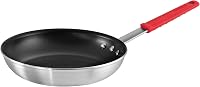
This is a frying pan rather than a straight-sided saute pan, so its size is a reference for small-batch cooking. Tramontina describes it as compatible with gas, electric and ceramic glass cooktops, but not induction.
Choose a pan this size if compact storage and small portions are your priority. For a dedicated small saute pan, compare the shape and capacity before buying.
Is 10 inches a good everyday size?
A 10-inch pan is a flexible middle size for modest meals and a few portions. It can suit a small household that wants more room than an 8-inch pan without taking up as much space as a large saute pan.
CAROTE describes this pan as compatible with all cooktops, including induction. It is also a frying pan, so compare its sides and capacity with a true saute pan if you expect to cook saucy dishes.
A different example is the best T-fal frying pan in 10 inches, which can help you compare a 10-inch frying pan with the saute pan shape you need.
When should you choose 12 inches or more?
Choose 12 inches or more when you often cook several portions together or need room for larger ingredients. A wider base can help food spread out, though only if your burner can heat it well.
SENSARTE gives this pan a 10-inch diameter and 2.7-inch height. Its size and capacity provide a specific comparison point for shoppers who want a deeper pan, though it may not offer the broad surface area of a larger model.
For more cooking space and a lid, browse best large saute pans with lids. Check each pan’s base measurement and capacity to see whether the extra size will fit your cooktop and cabinets.
What should you check before buying?
Before you buy, compare the pan’s base, top diameter, depth and capacity with your cooking needs. Those details show whether it will fit the burner, serve your usual portions and work with your sink and storage.
- Measure the diameter of your most-used burner.
- Check the pan’s base diameter as well as its advertised top size.
- Compare the capacity if you cook sauces, grains or braised dishes.
- Make sure the handles fit your cabinet and sink.
- Confirm cooktop compatibility, especially for induction.
- Consider the weight and lid storage if you will move the pan often.
A larger pan may feel heavy when full and can be harder to wash in a small sink. If you stack cookware, pan protectors can help separate surfaces; see our guide to best pan protectors for stacking.
If you are also choosing pans and trays for the oven, our bakeware sets guide covers a different kind of kitchen sizing. For a specific bakeware example, see our Bundt pan size guide.
Which saute pan size should you choose?
Pick 8 inches for single servings, around 10 inches for a few portions, and 12 inches or larger for family meals or batch cooking. Match the base to your burner, then check depth and capacity for the dishes you make most.
If your cooking includes frequent browning in a single layer, prioritize cooking surface. If you make sauces or braises, give more weight to capacity and straight sides when comparing saute pan sizes.
Frequently asked questions
What size saute pan is best for one person?
An 8-inch pan can suit one person when you cook a single serving or a small side. It offers less room for spreading ingredients than a larger pan, so choose 10 inches if you often cook a full meal, brown several ingredients or want leftovers.
Is a 10-inch saute pan big enough for two people?
A 10-inch saute pan is a practical starting point for cooking for two, especially for vegetables, eggs or modest portions of meat. Check the usable cooking surface and capacity, since straight sides, handle shape and pan depth affect how much food fits.
What size saute pan should I get for a family?
A 12-inch saute pan gives more surface area for several portions, but the right size depends on your burner and storage space. For a larger household or batch cooking, compare pans above 12 inches and make sure their bases heat evenly on your cooktop.
How do I measure a saute pan?
Pan size usually refers to the diameter across the top, measured from rim to rim. Also check the base diameter, depth and stated capacity, because two pans with the same top measurement may have different cooking surfaces and hold different amounts.
Can a saute pan be too large for a burner?
Yes. A pan that extends far beyond a small burner may heat unevenly, while a base that is much smaller than the burner can concentrate heat in the center.
Compare the pan’s base with the burner and follow your cooktop’s guidance.