Is a Cast Iron Skillet Nonstick?
A cast iron skillet can release food well when its seasoning is built up and the pan is heated properly, but it isn't reliably nonstick like a coated pan. Food choice, temperature, and cooking fat all affect sticking.
On this page (8 sections)
- Is a cast iron skillet nonstick?
- What does seasoning do to cast iron?
- Which foods stick most in cast iron?
- How can you make cast iron release food better?
- Do skillet shape and pan type affect food release?
- What should you know about a skillet lid that is also a pan?
- How does cast iron compare with other cookware?
- Is cast iron the right choice if you want nonstick cooking?
A cast iron skillet can release food well when its seasoning is built up and the pan is heated properly, but it isn't reliably nonstick like a coated pan. Food choice, temperature, and cooking fat all affect sticking.
Seasoning is a layer of oil baked onto the iron, not a separate synthetic coating. A pre-seasoned skillet is ready to cook with, but the surface may need care and repeated use before delicate foods release easily.
Is a cast iron skillet nonstick?
A seasoned cast iron skillet can have nonstick-like food release, but it isn't a true nonstick pan. Its performance depends on the seasoning, how you heat it, and what you're cooking.
Eggs, flaky fish, and thin pancakes can stick when the surface is new or the pan is heated unevenly. Foods that can sear or cook in a little fat are usually easier starting points.
The difference matters if you expect food to slide around with little or no oil. For that kind of convenience, compare ceramic cookware vs cast iron and consider which surface better suits your cooking habits.
Is a cast iron skillet non stick when it is pre-seasoned?
Pre-seasoned means the pan has an oil-based layer before you use it, not that it will perform like coated nonstick cookware. Amazon Basics explicitly says its pre-seasoned cookware doesn't have a nonstick function.
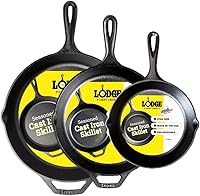
Lodge describes its skillet as pre-seasoned with natural vegetable oil for a naturally nonstick finish. That describes the intended surface, but food release still depends on cooking conditions and ongoing care.
If you want to start with a skillet, the Lodge includes a silicone handle holder and is made of cast iron.
Cast iron stays hot, so warm the skillet gradually and use a handle mitt when moving it. The silicone holder helps with handling, but follow safe handling practices because the pan itself gets hot.
What does seasoning do to cast iron?
Seasoning helps protect the iron and creates a cooking surface that can release food more easily. It develops as thin layers of oil bond to the metal with heat.
Seasoning isn't a chemical nonstick coating. It can build up with regular cooking and proper care, but it can also wear down or become patchy if the pan is neglected or cleaned roughly.
A pan can arrive pre-seasoned and still need cooking fat. Use a small amount for foods that tend to stick, especially while you're learning how the skillet responds to your stove.
Does seasoning make cast iron completely nonstick?
No, seasoning does not make cast iron completely nonstick. It improves the surface over time, but it doesn't remove the need to manage heat and fat.
A thin, uneven, or damaged layer can make food cling. Sticky residue can also come from heating sugary sauces or cooking food at a temperature that is too high.
For basic upkeep, clean and dry the pan after cooking and follow the care instructions for your cookware. Our guide explains how to clean cast iron cookware.
Which foods stick most in cast iron?
Eggs, delicate fish, and other fragile foods are more likely to stick than foods that can sear before you move them. A well-seasoned surface helps, but timing and temperature still matter.
For meat, let the surface brown before trying to turn it. If it resists, give it more time instead of scraping hard.
For eggs, preheat gradually, add butter or oil, and use a lower heat than you might for a quick sear. If you cook eggs often with little fat, a coated skillet may suit you better.
Pancakes and other batters can also stick if the pan is too cool, too hot, or short on fat. Try a simple food first and adjust heat gradually rather than assuming the seasoning has failed.
How can you make cast iron release food better?
Use moderate heat, preheat gradually, and add cooking fat before the food. These habits give the iron time to warm and reduce the chance that food grabs the surface.
- Start with a clean, dry pan.
- Heat it gradually instead of turning the burner to high.
- Add a suitable cooking fat and let it warm.
- Place food in the pan and let it cook before moving it.
- Clean and dry the skillet after cooking.
Cast iron holds heat, so a burner setting that seems low can become too hot if you leave the pan empty for a long time. Lower the heat if oil smokes or food browns too quickly.
Don't scrape aggressively at food that sticks. Let it cook longer or add a little liquid if the recipe allows, then clean the pan according to its care instructions.
Do skillet shape and pan type affect food release?
The pan's shape changes how you cook, while the cooking surface and seasoning affect release. A skillet gives you a broad, shallow area for frying and searing, while another pan may suit a different task.
If you're comparing pan shapes, read what is the difference between a skillet and a saute pan. For flat foods such as pancakes, when a griddle serves a different purpose from a skillet can help you decide which form makes more sense.
For a cookware collection, the Amazon Basics set includes an 8 inch skillet, a 10.25 inch skillet, a griddle, and a Dutch oven with lid. Its cast iron pieces are pre-seasoned, but the set's care instructions say to hand wash.
Choose a set if you want several pan types in cast iron. If you need only one skillet, a set adds pieces you may not use.
What should you know about a skillet lid that is also a pan?
A skillet lid can add a second cooking surface, but it still needs the same heat and seasoning care as other cast iron. The EDGING CASTING 2-in-1 set pairs a Dutch oven with a shallow skillet lid.
The shallow skillet can work for frying or other cooking, while the pot is suited to soups, stews, baking, roasting, and braising. Its cast iron construction stores and transfers heat, so preheat gradually and use suitable protection when handling hot cookware.
The two pieces have integrated loop handles. Follow the care directions: hand wash in warm water, dry thoroughly on the stove at medium heat, and apply a thin coat of natural oil.
If you want one pan that can also cover a pot, this format may fit. If your main need is a skillet for eggs, compare its shape and size with a dedicated skillet.
How does cast iron compare with other cookware?
Cast iron trades easy, predictable food release for heat retention and a seasoning-based surface. Choose it when you value a pan that can sear, fry, bake, and cook over a campfire, and are willing to manage its heat and care.
Enameled cast iron has a different surface and care profile. Read cast iron vs enameled cast iron if you're deciding between bare and enameled cookware.
A skillet is also one part of a broader cookware setup. Browse best cast iron cookware if you want to compare formats, or best cast iron cookware for camping if outdoor meals are the priority.
Is cast iron the right choice if you want nonstick cooking?
For a cast iron skillet nonstick experience, choose cast iron if you want seasoning-based food release and can adjust heat, fat, and care to the food. Choose coated cookware if you want more predictable release with little oil, especially for eggs and delicate foods.
A pre-seasoned skillet gives you a starting surface, not a promise that nothing will stick. If you value cast iron's heat retention and versatility, start with familiar foods and build your cooking routine from there.
Frequently asked questions
Is cast iron naturally nonstick?
Bare cast iron isn't naturally nonstick. A layer of seasoning forms when oil is heated onto the surface, and that layer can improve food release.
The result depends on the pan's seasoning, temperature, food, and cooking fat, so it won't behave as predictably as a coated nonstick pan.
Can you cook eggs in a cast iron skillet?
Yes, but eggs are more likely to stick if the seasoning is thin or the pan is too cool or too hot. Preheat the skillet gradually, add enough butter or oil, and wait for the eggs to set before moving them.
A coated pan is easier for frequent low-fat egg cooking.
Does pre-seasoned cast iron mean nonstick?
Pre-seasoning gives cast iron an oil-based surface before its first use, but it doesn't guarantee nonstick performance. Amazon Basics specifically says its pre-seasoned cookware doesn't have a nonstick function.
Expect food release to improve with care and use, while adjusting heat and fat for each meal.
How do you keep cast iron from sticking?
Start with a clean, dry skillet, heat it gradually, and add cooking fat before the food. Avoid moving food too soon, especially meat or eggs.
After cooking, clean and dry the pan promptly, then follow its care instructions; a thin layer of oil can help maintain the seasoning.