Is Stainless Steel Cookware Non Toxic?
Stainless steel cookware is generally considered safe for everyday cooking when it's intact and used as directed. It contains iron and chromium, and some grades also contain nickel, which matters if you have a nickel allergy or sensitivity.
On this page (6 sections)
- What is stainless steel cookware made of?
- Can stainless steel cookware release metals into food?
- How can you use stainless steel cookware with care?
- Which cookware alternatives might suit you?
- What should buyers check before choosing stainless steel?
- How should you decide if stainless steel is right for you?
Stainless steel cookware is generally considered safe for everyday cooking when it's intact and used as directed. The alloy contains iron and chromium, and some grades also contain nickel, so nickel sensitivity is a reason to check the specific grade before buying.
Stainless steel is not a single recipe. The grade, construction, condition, and your own sensitivities all matter when choosing cookware.
What is stainless steel cookware made of?
Stainless steel is an iron-based alloy that contains chromium. Chromium helps the surface resist rust and corrosion; some grades also contain nickel to support properties such as corrosion resistance and formability.
Cookware may use more than one material. A pan can have a stainless cooking surface with an aluminum or copper layer underneath to spread heat, so check the material details for the whole pan rather than relying on its name.
If you're comparing materials, our guide to best non toxic cookware covers several common cookware types. For a different coating, read is ceramic cookware non toxic.
Is stainless steel cookware non toxic if it contains nickel?
For most people, nickel in stainless steel cookware is not a reason by itself to avoid it. People with a nickel allergy or sensitivity may prefer cookware made without nickel or another material they tolerate.
The word “stainless” doesn't identify the exact alloy. Check the grade or ask the manufacturer about nickel content if it affects your decision; don't infer a pan's composition from its appearance.
Can stainless steel cookware release metals into food?
Small amounts of metals can transfer from cookware into food under some conditions. Research on stainless steel cookware has found that transfer can vary with factors such as the food, cooking time, and condition of the pan.
Acidic foods and long cooking or storage can matter more than a quick cook. If you want to reduce contact, avoid leaving tomato sauce or other acidic leftovers in the pan after cooking, and use a suitable storage container.
This is a practical consideration, not a reason for every household to stop using stainless steel. If you have a known sensitivity or a health concern about metal exposure, ask a qualified health professional for advice about your situation.
How can you use stainless steel cookware with care?
Use an intact pan, follow its care instructions, and avoid prolonged storage of acidic food in it. For practical cooking guidance, see how to use stainless steel cookware.
These habits help you care for the cooking surface and make informed choices about contact with food.
- Check the pan for damage before use, especially if the interior is deeply scratched, pitted, or peeling.
- Use the heat setting and cleaning method recommended by the cookware maker.
- Move leftovers to a food storage container instead of keeping them in the pan.
- If nickel is a concern, look for clear alloy information or ask the manufacturer before buying.
Stainless steel can suit people who want a durable metal cooking surface and don't need a nonstick coating. If you want to compare other materials, see our guides to best non toxic dishwasher safe cookware and best frying pans non toxic.
Which cookware alternatives might suit you?
Choose a pan based on the cooking surface and care instructions you want. These ceramic-coated options are alternatives to stainless steel, and their material claims come from their makers.
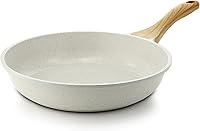
The SENSARTE frying pan has a ceramic cooking surface and an aluminum body. The brand describes it as free of intentionally added PFAS, PFOA, lead, and cadmium.
SENSARTE recommends medium heat and hand washing to extend the pan’s life. Follow the care directions for the specific pan you choose.
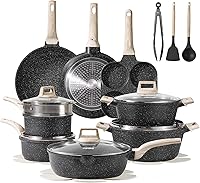
The SENSARTE cookware set pairs a ceramic surface with an aluminum body and stainless steel base. Its set includes pans and pots, glass lids, silicone utensils, and reusable pot protectors.
The Umite Chef set has an aluminum body with a mineral-reinforced nonstick coating, according to the brand. It has detachable handles and is described as compatible with induction cooktops.
Use the brand’s care guidance for either coated option, including its directions about heat, utensils, and cleaning. To compare a stainless option, see best stainless steel cookware with copper bottom.
What should buyers check before choosing stainless steel?
Check the cooking surface, alloy details, and care instructions before you buy. That gives you a clearer picture of what touches your food and whether the pan fits your cooking needs.
If you have nickel sensitivity, look for a stated nickel-free grade or confirm the alloy with the manufacturer. If you use induction, make sure the cookware is marked compatible; stainless steel alone doesn't guarantee that it will work on an induction cooktop.
For more focused comparisons, explore best Caraway cookware for induction, best Carote cookware for induction, or best T-fal stainless steel cookware.
How should you decide if stainless steel is right for you?
Choose stainless steel if you want an uncoated metal cooking surface and have no reason to avoid the alloy used in the pan. If you have nickel sensitivity, verify the grade or choose a material you know you tolerate.
For everyone else, focus on the pan’s construction, compatibility with your stove, and care requirements. A clear answer about the alloy is especially useful when nickel exposure could affect your choice.
Is stainless steel cookware non toxic for your needs?
Stainless steel is a practical everyday choice for many kitchens, but your sensitivities and the pan’s alloy matter. Pick stainless steel if the grade suits you; choose a ceramic-coated or other suitable option if you prefer a different cooking surface or need to avoid nickel-containing steel.
Frequently asked questions
Is stainless steel cookware safe for everyday cooking?
For most people, intact stainless steel cookware is a common choice for everyday cooking. Use it according to its care instructions, avoid badly damaged surfaces, and consider a nickel-free grade if you have a nickel allergy or sensitivity.
Does stainless steel cookware contain nickel?
Some stainless steel grades contain nickel, while others are made without it. Check the grade or manufacturer’s material details if nickel exposure is a concern, since the word “stainless” alone doesn’t tell you which alloy is used.
Can acidic foods be cooked in stainless steel?
Stainless steel is commonly used for acidic foods, but long cooking or storage can increase metal transfer from some cookware. Follow the cookware’s instructions, avoid storing acidic leftovers in the pan, and choose another material if you need to limit nickel exposure.
Is ceramic cookware a non toxic alternative to stainless steel?
Ceramic-coated cookware offers a different cooking surface, but its materials and care needs depend on the specific pan. Check what the maker says the coating contains and follow its heat and utensil guidance; see our guide to ceramic cookware safety for more detail.